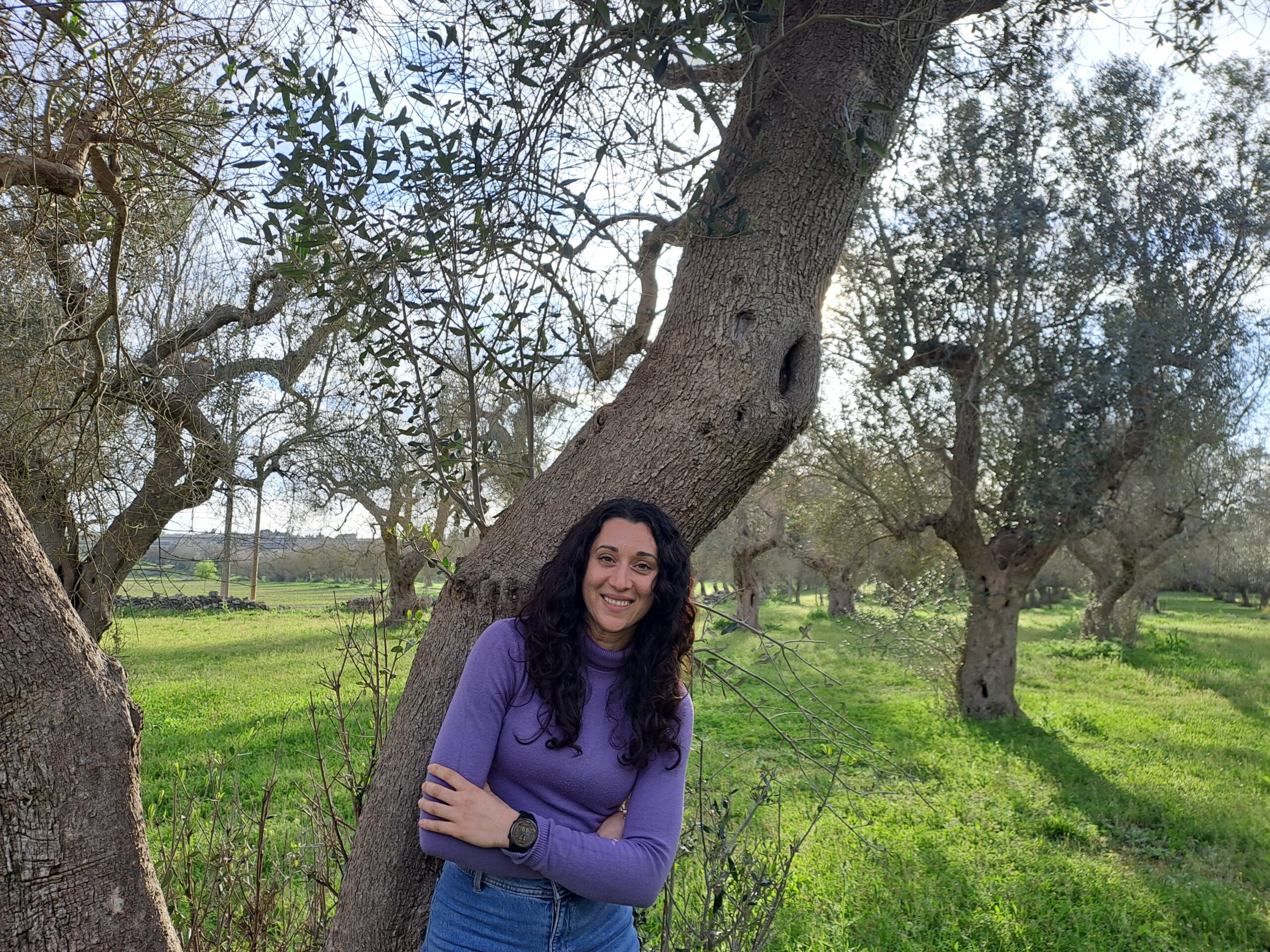
Viola Di Cori is currently doing a post-doc at the European Commission Joint Research Centre in Seville, Spain, working on the economics of the food system. Her team’s work in BeXyl is to understand the mechanisms that make new Integrated Pest Management (IPM) techniques developed by Bexyl project researchers acceptable for growers.
Viola, you are an economist involved in a research project on plant health. How do you make social sciences and natural sciences meet?
I am a researcher in the field of environmental and development economics. Over the years, I have specialised to ensure that my passions become my work. I love nature, and the relationship humans have with it. I think it is our duty to respect and care for it in exchange for the physical and psychological well-being nature provides us every day. At the same time, I am very interested in food – after all, I am Italian – from the nutrition perspective, for healthy and sustainable diets. People and their stories have always been the centre of my work and life; I am very sociable and convinced that only by striving to understand others’ viewpoints, including those of plants and animals, not just humans, we can build a just society for all.
The “viewpoint of plants” is an exciting statement. Why plant health?
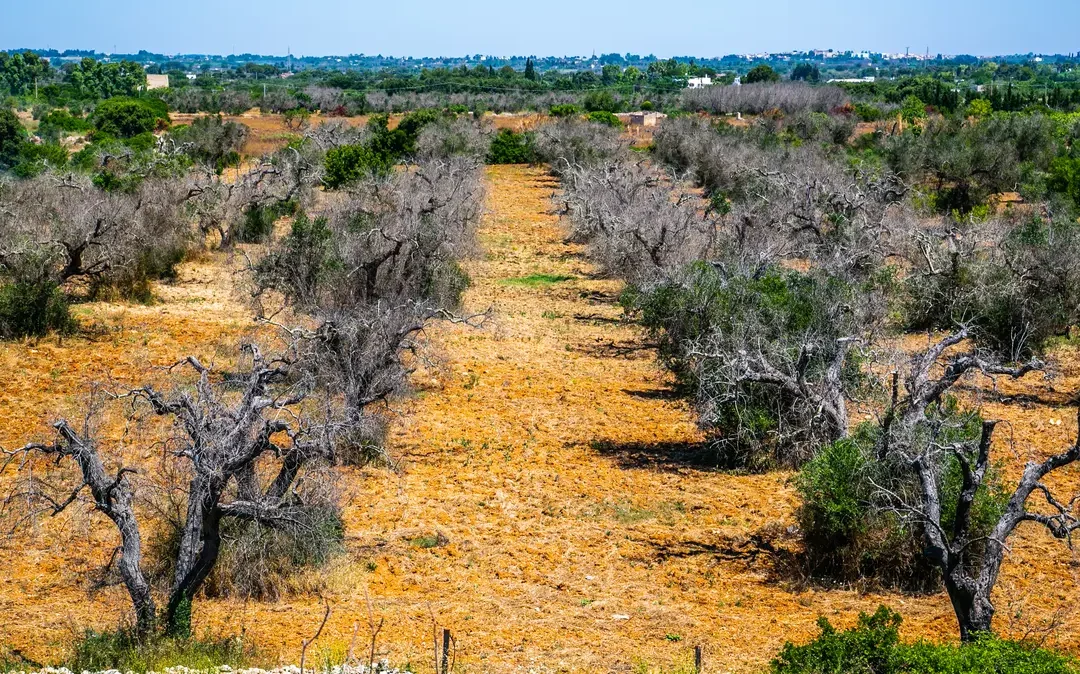
Plants and the food system in general are, of course, the foundation of our society and daily life. For this reason, it is essential to study plant health and its repercussions on humans, particularly concerning biodiversity, starting from genetics. Globalisation and climate change present us with new challenges and opportunities every day, and we must be prepared. The global food system has many critical issues, the most important of which is, in my opinion, the lack of biodiversity, which puts our crops at severe health risk. What happened in Salento with Xylella fastidiosa is the perfect example. A single large monoculture of olive trees existed there, and even within that, the variety was minimal, with only three main species of olive trees being cultivated. This was a glaring example that if we do not take care of plant health proactively and with long-term vision, the consequences for our society can be devastating.
Which kind of studies led you to have this trans-disciplinary approach?
Speaking of my experience, I did my doctoral studies at the University of Padua (Italy), Department of Land, Environment, Agriculture, and Forestry. The doctorate aimed to analyse the role of forest ecosystem services within the European bioeconomy, from a socioeconomic perspective. Before my PhD, I worked with advanced research institutes (Roma Tre University) and International Organizations (Bioversity International and FAO), undertaking research and support activities in socioeconomic analysis and evaluating biodiversity, food security, gender integration, and agricultural development problems and policies. Currently, I am in my post-doc at the European Commission Joint Research Centre in Seville, Spain, working on the economics of the food system.
What challenge on X. fastidiosa research do you want to answer with your study?
My studies focus on people, economy, and society, particularly olive and almond growers. My team and I want to understand the drivers and barriers to acceptance of the new IPM techniques developed by researchers under the Bexyl project. We follow a bottom-up approach, using quantitative and qualitative data to build the narrative around the Xylella case to understand the context in which the different stakeholders operate, and which strategies they will be willing to accept and implement to coexist with Xylella. We as well work in areas that are still free from Xylella but considered at risk, to measure the acceptability of growers for early (asymptomatic) detection technologies. Our main objective is to inform policymakers about concrete actions to take together with people coping with Xylella daily, or at risk of experiencing an outbreak.
What are your main results?
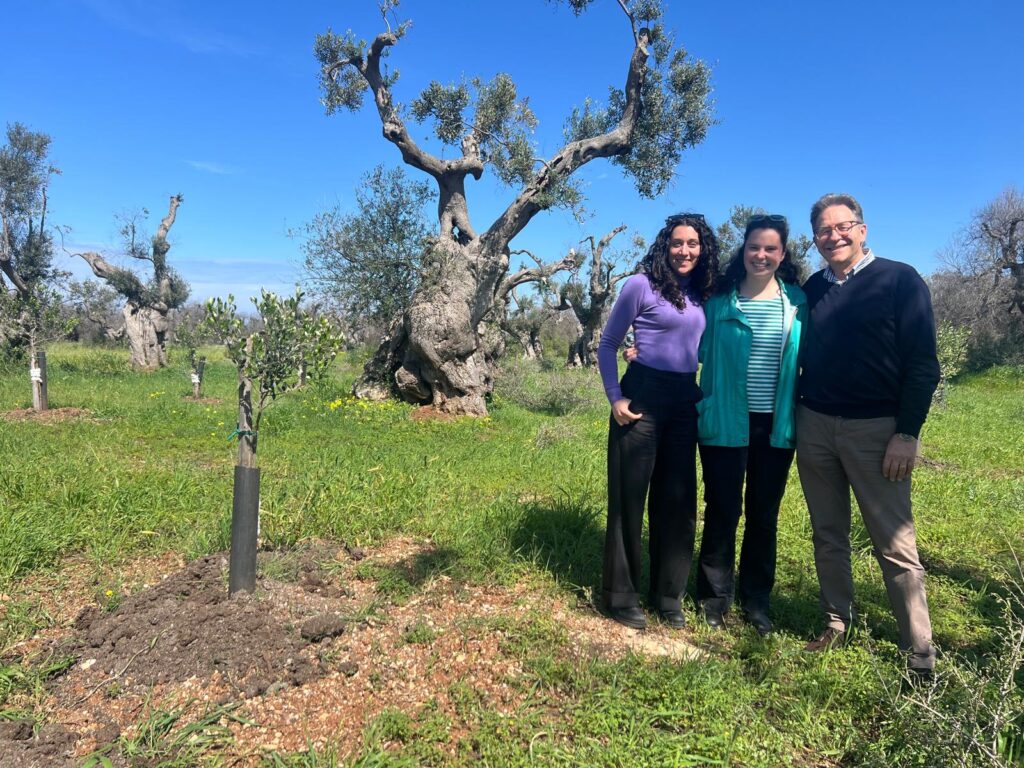
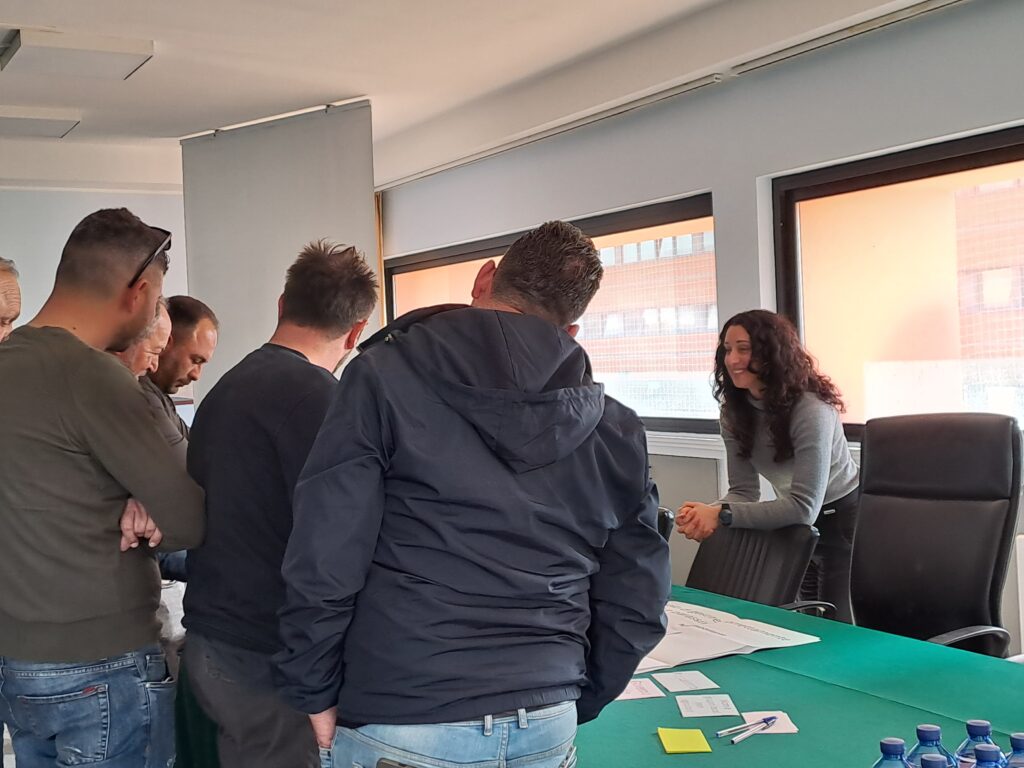
My team and I are currently working on an economic experiment to understand which characteristics of IPM would make growers adopt them, using Spain and Italy as case studies. Thanks to this, we will be able to translate in monetary terms the uptaking of new technologies and the direction future policies should follow if they want to promote them. Furthermore, thanks to the collaboration with Forest Research, I took part of a qualitative data collection fieldwork in Salento, which will greatly help us frame the landscape in which growers and other stakeholders operate, thanks to their personal experiences related to Xylella.
What have been the main obstacles in your research and how did you manage to hurdle them?
Given that I don’t have a background in agricultural science, in the beginning it wasn’t easy to understand the farming context and the agricultural practices of growers to cope with Xylella. At the same time, being a social scientist and not a biologist/plant pathologist also made it difficult to understand the technologies developed by the BeXyl Project. My curiosity made me overcome these obstacles, talking with experts, asking questions, and generally going after the knowledge needed to understand the situation fully. Moreover, I was the person responsible for explaining to the growers what those new technologies developed by Bexyl were and how they worked, so it was essential to have a clear picture in mind.
What is your plan after the post-doc?
I am committed to making a concrete contribution to achieve the sustainable use of natural resources in the context of inclusive and resilient societies. After the post-doc, I plan to continue working for international organisations, as I love the multicultural environment. I hope I will still have the possibility to undertake fieldwork activities and talk to people, to be able to understand the “why” behind the data.