Context
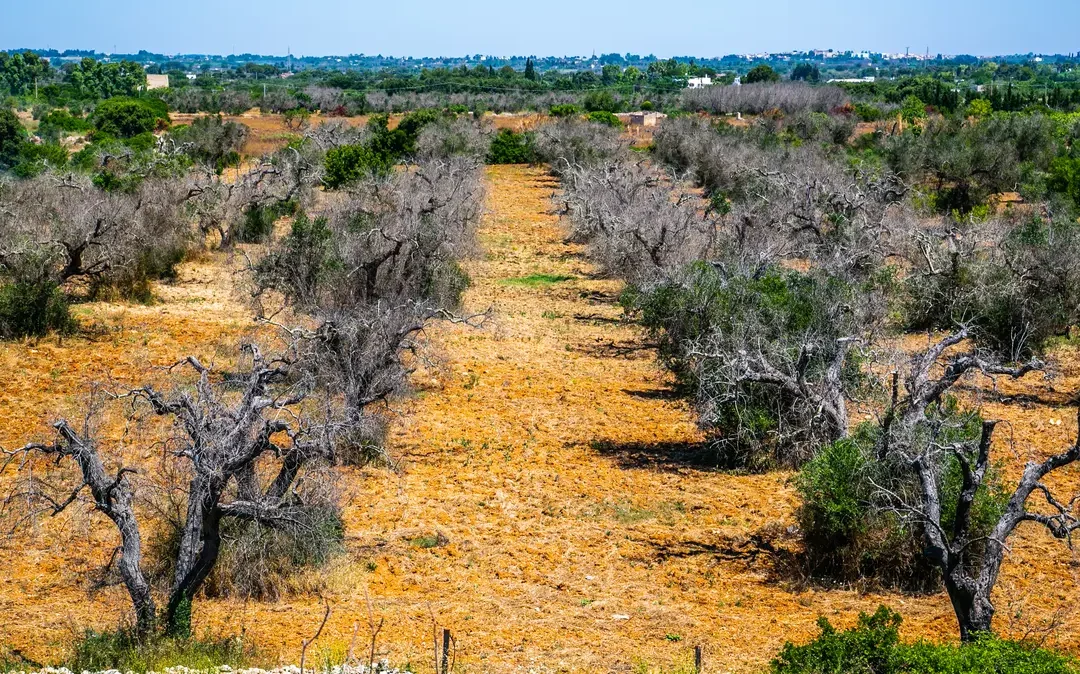
Since its first detection in Europe in 2013, the plant pathogen Xylella fastidiosa (Xf) has continued to be detected in several Mediterranean regions, raising concerns about its long-term environmental and economic impacts.
The BeXyl project has investigated how host plants, bacterial strains, insect vectors, environmental conditions and climate interact to drive epidemics in Europe and neighbouring regions, and used these findings to improve surveillance, outbreak management and prevent new introductions of the pathogen.
A major contribution of the project has been the integration of field surveys, sentinel plots, botanical garden surveillance, molecular diagnostics, remote and proximal sensing, and mathematical modelling to support earlier detection and more targeted surveillance.
Host range and pathogenicity
BeXyl has substantially expanded current knowledge on the host range and pathogenicity of European and international Xf strains, strengthening our understanding of how different host-Xf strains combinations interact under both field and controlled conditions.
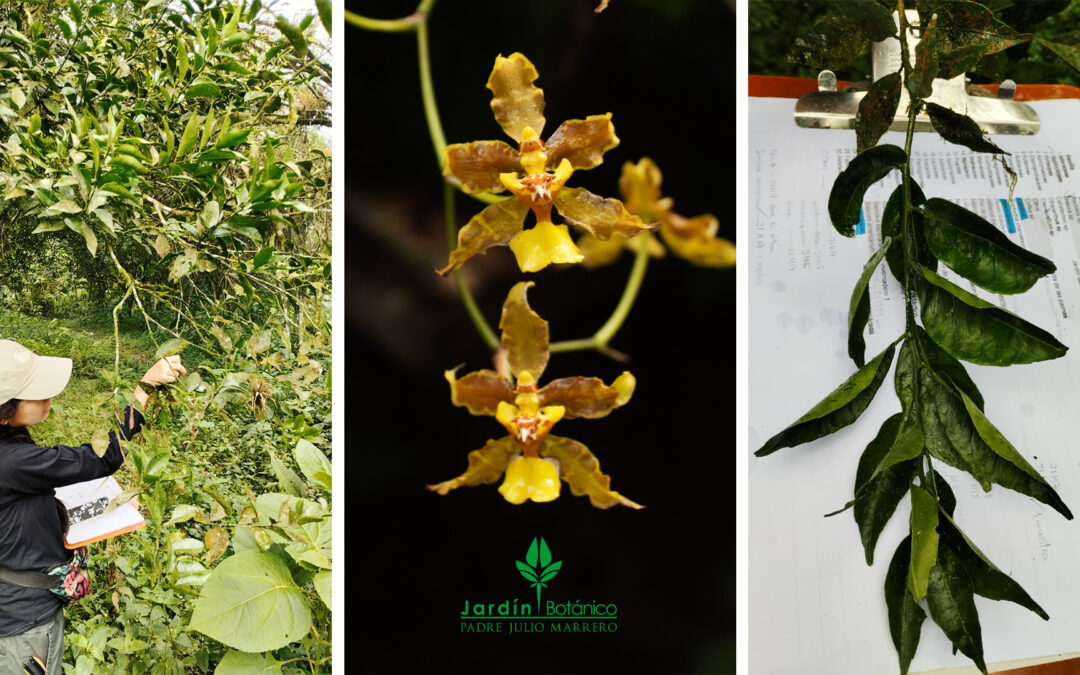
Sentinel monitoring activities in Europe, North and South America, and Central America across agricultural areas, natural landscapes, dedicated sentinel plots and botanical gardens identified Xf infections across a wide range of ornamental, forestry, and native plant species. Sentinel plots were established in Brazil, Costa Rica, Portugal, Spain, Italy, France, Argentina, and the United States.
These plots include representative host species such as olive, almond, citrus, grapevine, and Spartium junceum, and are monitored through standardised visual inspections, tissue sampling, and molecular testing. In parallel, BeXyl coordinated surveillance across ex situ collections in Brazil, Ecuador, Guatemala, and Colombia, through botanical gardens. These collections provide valuable early-warning systems because they include a high diversity of native, ornamental, and exotic species, some of which may remain asymptomatic while acting as reservoirs or revealing previously unknown new host-pathogen associations.
BeXyl also identified resistant and moderately resistant germplasm as key resources for reducing the impact of Xf. Screening focused mainly on olive, almond, and grapevine under greenhouse and field conditions, using symptom assessment and qPCR detection. In olive, long-term field trials in Apulia confirmed the resistance or highly resistance of reference cultivars such as Leccino and FS17 and identified additional promising cultivars and selections. In almond, several genotypes and cultivars showed reduced susceptibility or resistance, providing candidate material for further validation and breeding.
These results help scientists identify new crops and plant species vulnerable to Xf infection under changing environmental conditions and support resistant plant material as part of integrated management strategies, while highlighting the need for multi-environment, long-term testing against different Xf subspecies.
Outbreaks and epidemics on the ground
BeXyl researchers conducted extensive field and landscape surveys to investigate how Xf epidemics emerge and spread under real outbreak conditions in natural settings.
In Mallorca, Spain, analyses of the ongoing outbreak identified a high diversity of co-occurring subspecies and mixed infections within the same area. The simultaneous presence of multiple Xf subspecies underscores the need for continued monitoring, given the potential for genetic recombination and the emergence of new variants adapted to European conditions.
In Apulia, Italy, new outbreaks identified in 2024–2025 revealed the presence of two new strains, Xf subsp. fastidiosa ST1 in grapevines and Xf subsp. multiplex ST26 in almonds. Surveys confirmed active vine-to-vine spread associated with Pierce’s Disease symptoms, while greenhouse inoculation experiments showed differences in susceptibility among grapevine cultivars.
The project also identified new epidemiological risks linked to insect vectors in the Mediterranean region. In Israel, scientists reported the leafhopper Mesoptyelus impictifrons as a potential new vector species associated with Pierce’s Disease outbreaks in vineyards.
Meanwhile, large-scale surveys conducted in Costa Rica and Argentina further expanded knowledge on Xf distribution, vector biodiversity, and pathogen reservoirs across different agroecosystems.
Early detection and surveillance tools
BeXyl has advanced early detection by combining molecular tools, remote and proximal sensing, and mathematical modelling. A new generation of molecular methods was developed and validated, including droplet digital PCR (ddPCR) for sensitive detection and absolute quantification in plants and insect vectors, colorimetric LAMP and RPA approaches for rapid field screening, and targeted sequence capture enrichment combined with next-generation sequencing for high-resolution typing directly from complex plant and insect samples.
Controlled infection experiments under containment identified early physiological and spectral signals of Xf infection before visible symptoms appeared. Machine-learning analyses distinguished infected from healthy plants with more than 80% accuracy, showing the potential of imaging and spectral analysis for non-invasive early detection. Multi-year campaigns are integrating field observations with high-resolution spectral, thermal, and structural data from airborne, drone, and satellite imagery to detect disease-related stress patterns and differences in infection severity across regions and host species.
Mathematical modelling has provided an additional layer for risk-based surveillance. BeXyl developed spatially explicit epidemiological models, adaptive sequential sampling designs, and demographic-genetic propagation models that account for imperfect detection, heterogeneous host distributions, surveillance effort, control actions, and genetic information. These tools help evaluate outbreak management plans and support more efficient allocation of surveillance resources.
BeXyl also tested trained detection dogs as a rapid screening tool. The dogs identified Xf-infected plants and soils associated with infected plants with 94–98% accuracy, supporting the potential use of canine olfaction in nurseries, fields, and plant inspection settings.
Climate change and future epidemic risks
Experimental studies also investigated how temperature, atmospheric CO₂ concentrations, and water availability influence plant response and disease severity. Trials on grapevine cultivars infected with Xf subsp. fastidiosa ST1 showed that disease severity increased under climate change scenarios combining higher temperatures and elevated CO₂.
To understand how climate change may influence the establishment and spread of Xf in Europe, BeXyl researchers are developing Species Distribution Models and epidemiological simulations that integrate climate variables, pathogen occurrence data, and ecological niche information. These models are being used to identify areas where environmental conditions may be favourable for Xf establishment under current and future climate scenarios.
These findings provide important evidence that climate change could modify future epidemic risks in several Mediterranean production systems, reinforcing the need for preventive monitoring and adaptive management strategies.
Genomics and adaptation of European strains
BeXyl researchers sequenced and analysed hundreds of complete genomes from Europe, the Americas, and other regions to investigate the evolutionary history, introduction pathways, and adaptive traits of different Xf subspecies.
Genomic analyses revealed that the recent outbreak of Xf subsp. fastidiosa ST1 in Portugal likely originated from California around the beginning of the present century. Other studies reconstructed historical introductions of the pathogen into the United States and identified genetic changes associated with adaptation to grapevine hosts.
The project also explored genetic traits potentially linked to host specificity, biofilm formation, natural competence, and climate adaptation. In addition, global genomic data mining revealed extensive hidden diversity within the genus Xylella, including previously unknown lineages.
Together, these results deepen understanding of how Xf moves, diversifies and adapts to new hosts and environments, supporting the development of more robust risk assessment frameworks for Europe.
Integrated environmentally friendly solutions and socioeconomic impact
BeXyl has also translated this knowledge into practical tools for integrated management. Work on vector control has identified entomopathogenic fungi and ground-cover management options that can reduce populations of Xf vectors. Selected Metarhizium strains induced high mortality of key vectors under experimental conditions, while field trials indicated that spring fungal applications, mulching, and cover-crop management can contribute to reducing vector pressure in olive agroecosystems.
The project has also advanced new approaches to reduce Xf infection and increase plant resilience, including synthetic bacterial communities assembled from selected culturable xylem-associated microorganisms, functional antimicrobial peptides, plant-derived extracts, and phage-based approaches.
These biological and technological solutions are being brought together in IPM schemes for the main European crop systems affected by Xf, including olive, almond, and grapevine. The schemes combine prevention, monitoring, and intervention measures and are designed to support crop- and region-specific decisions under different epidemiological contexts and levels of inoculum pressure.
BeXyl also addresses the ecological, socioeconomic and social dimensions of Xf management. The project is analysing the impacts of outbreaks and control measures on farmers, nurseries, landscapes, and local communities, while identifying barriers and incentives for the adoption of IPM and early detection technologies. Stakeholder questionnaires, expert working groups, and choice experiments with farmers and citizens have been used to assess preferences for control measures, early-detection tools, landscape restoration options, and sustainable management strategies.
By combining biological control, plant resilience tools, IPM design, and socioeconomic analysis, BeXyl aims to ensure that future Xf management strategies are not only scientifically sound but also technically feasible, economically realistic, and socially acceptable for the agricultural sectors and territories affected by the disease.
Preparedness in Europe
The findings generated by BeXyl support the development of improved surveillance systems, predictive risk maps and evidence-based management strategies for Xf in Europe, providing plant health authorities and policymakers with reliable knowledge and tools to better anticipate future outbreaks and reduce the impact of this pathogen on European agriculture, landscapes and natural ecosystems.
Xylella fastidiosa
Xylella fastidiosa is one of the most threatening plant pathogens worldwide, capable of infecting more than 700 plant species. It causes diseases responsible for severe agricultural and environmental losses in several regions of the world. Since its first detection in the European Union in 2013 on olive trees in southern Italy, outbreaks have also been reported in France, Spain, Portugal, and other Mediterranean areas.
Further information is available at: European Food Safety Authority – Xylella fastidiosa
BeXyl – Beyond Xylella
The EU-funded BeXyl – Beyond Xylella project brings together more than 30 partners from scientific research institutions, industry, and public authorities. The project aims to improve preparedness and develop innovative and sustainable strategies to manage current Xylella fastidiosa outbreaks and prevent future introductions in Europe.
For more information: BeXyl Project Official Website
Contacts: media.solutions.surrender@gmail.com
YouTube: BeXyl YouTube Channel
Facebook: BeXyl Facebook Page
Instagram: BeXyl Instagram
LinkedIn: BeXyl LinkedIn
X: BeXyl on X