
The communication on Xylella fastidiosa must grow to keep pace with an expanding worldwide community concerned with the pathogen, a top-class experts’ round table concluded last week.
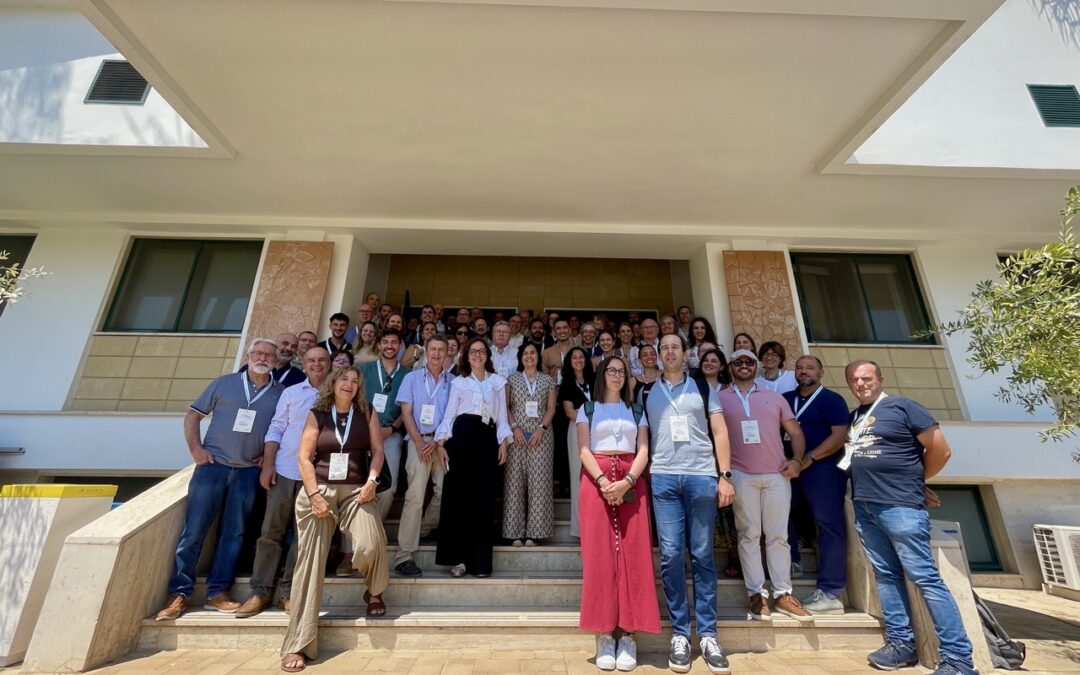
The last meeting of the “Xylella Files” spring seminars took place on 2 May, with the moderation of Blanca B. Landa and Leonardo De La Fuente. An extremely differentiated audience for geographic provenance and sectors of activity demonstrated that Xylella fastidiosa is considered a one-to-watch pest in countries where it is already present and in others.
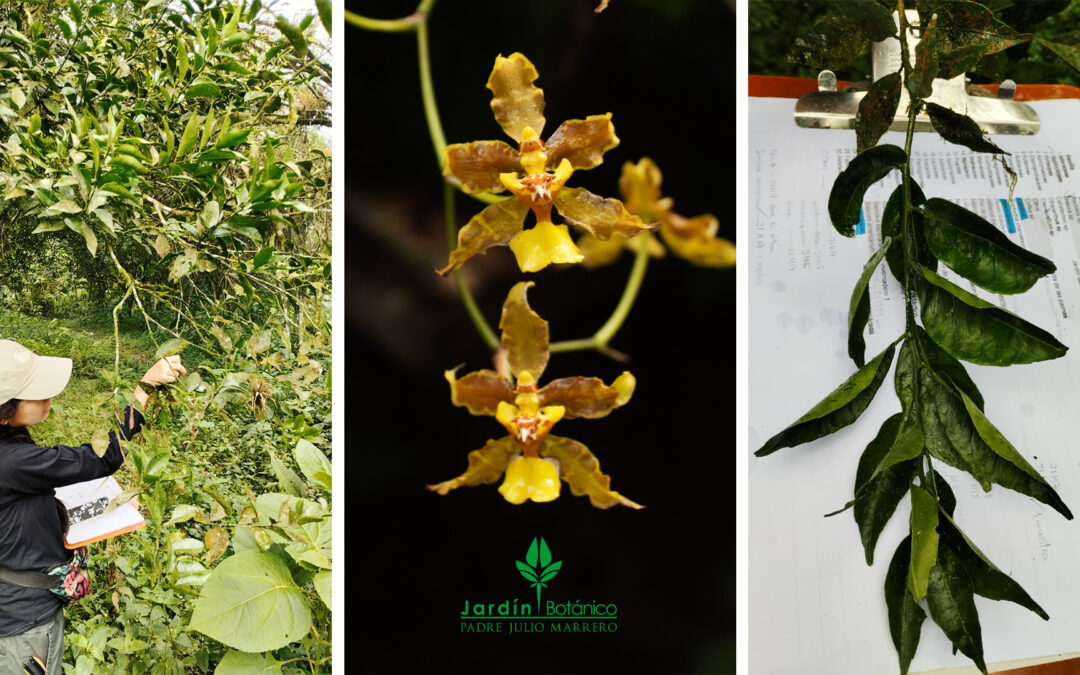
A clear example was the presentation by Sandra Visnovsky, from the New Zealand Institute for Plant and Food Research Limited. Visnovsky talked about the strategies that Wellington’s authorities are deploying, with the help of scientists, to prevent the first introduction of X. fastidiosa in the country. The measures include a program of monitoring sentinel plants in the US by sampling botanical gardens, especially plant species of importance for New Zealand that recently have been found susceptible to X. fastidiosa infection in California.
The farm advisor for the UC Cooperative Extension, USA, Monica Cooper has been working on the Xylella-caused Pierce disease epidemic in Napa Valley, California, for more than ten years. Cooper highlighted that insect vector control is the most widely used management strategy used by growers in the “Golden State.” Novel approaches, such as bacteriophages and transgenic plants, have not been adopted by farmers so far.
Matt Kaiser, from the California Department of Food and Agriculture (CDFA), outlined the Department’s program on Pierce’s disease and the glassy-winged sharpshooter, the Xf vector in California. Kaiser and Cooper discussed California’s strict regulations for controlling that specific species, while a lesser effort in monitoring is devoted to other insect vectors.
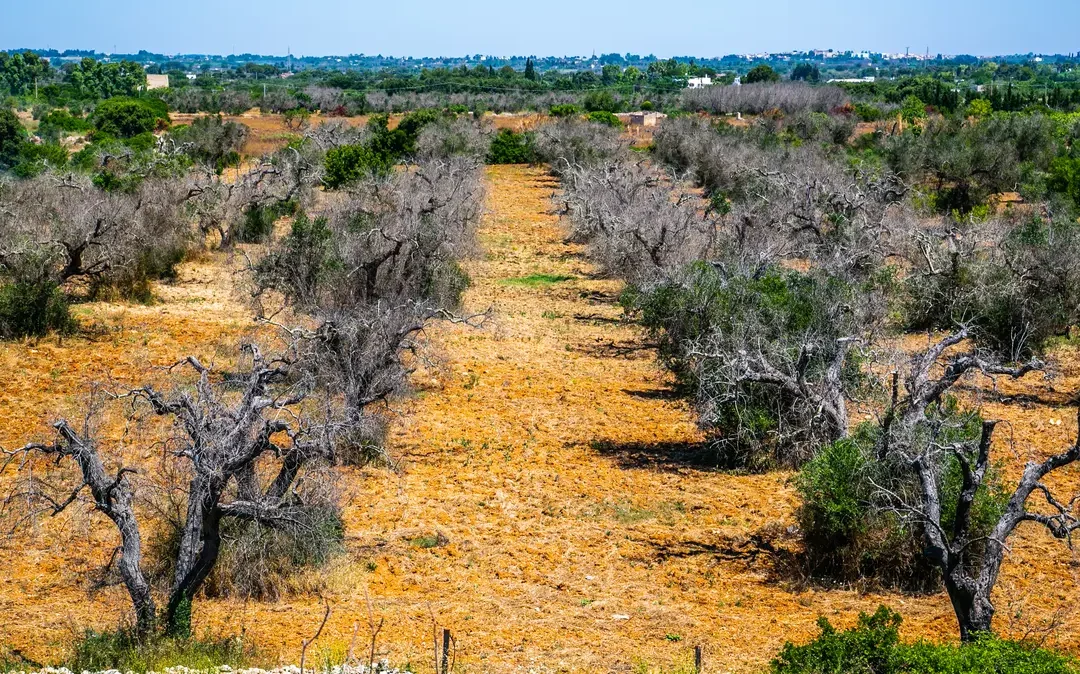
Maria Saponari has been at the forefront of different aspects of the research in Europe on olive quick decline syndrome in Apulia, Italy. She explained the efforts to actively survey the pathogen’s presence in non-infected areas and the many disease control options currently being tested on olives.
Vicente Dalmau Sorli from Plant Health Services, Valencia, Spain, showed data on surveillance for X. fastidiosa and discussed the rules for removing infected almond trees in the Alicante region, Spain. From more than 120,000 plants screened, nearly 5,000 were infected (more than 90% of which were almond trees) with X. fastidiosa in that area.
The moderators concluded that the community of people from different sectors interested in X. fastidiosa keeps growing and becoming more international. Therefore it is essential to keep communication open among the many actors contributing to the fight against the harmful plant pathogen.