Home 9 Updates 9 News 9 Xf4 highlights: research multiplies efforts on disease-resistant plants

Xf4 highlights: research multiplies efforts on disease-resistant plants

Aug 25, 2023 | News

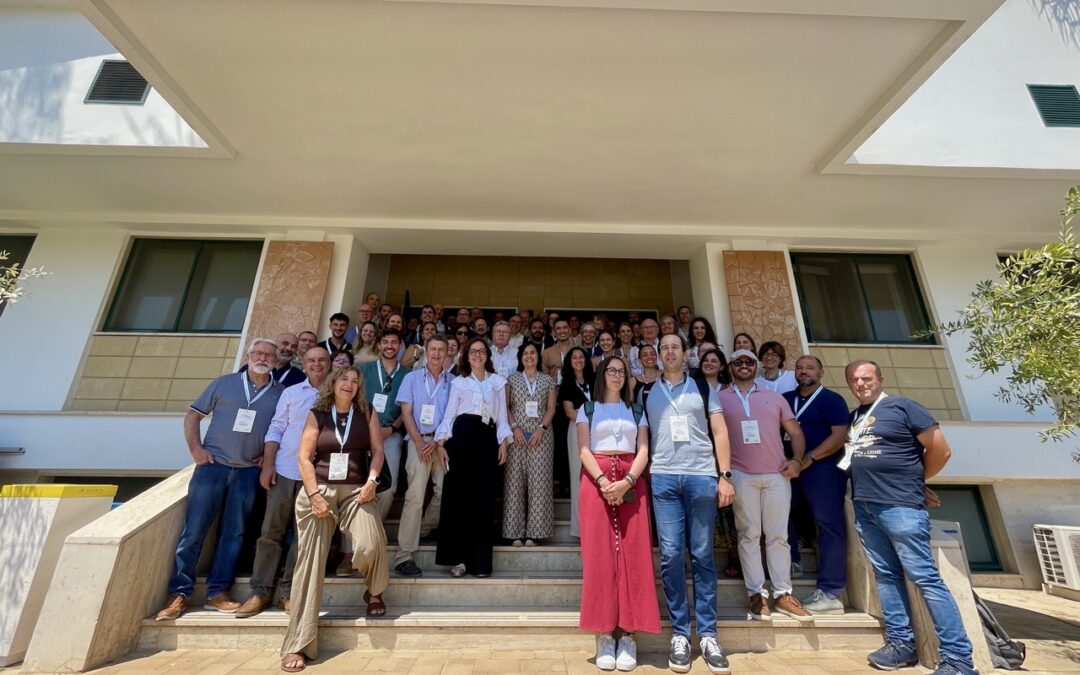
Host plant resistance remains the most practical, efficient, and cost-effective strategy for managing Xylella fastidiosa outbreaks in the EU, top world specialists participating in the 4th European Conference on Xylella fastidiosa confirmed.

So far, scientists have identified two disease-resistant olive cultivars. Good news from the Conference is the presentation of the BeXyl work package leader Ofir Bahar showing encouraging results on a X. fastidiosa resistant almond genotype. The pathogen is the primary agent of Almond Leaf Scorch (ALS). The resistant genotype emerged from a selection of seven and showed minimal symptoms and a significantly lower bacterial population. Data show that the genotype is resistant to X. fastidiosa, and its resistance intensifies over time. 

The conference hosted presentations from the US, showing that research currently focuses on improving the understanding of systemic immunity mechanisms (such as priming) and providing the basics for solutions based on bioengineered rootstocks or lipopolysaccharides. Also, data presented from researchers from the University of Girona indicated that selected or newly designed peptides can hamper biofilm formation, and induce defense responses in the plant

Concluding the meeting, scientists discussed the lengthy process of making progress on resistant varieties. For some plant species, such as olives, this comes from the knowledge gap on the availability of the olive genome compared to other species (such as grapevine). However, breeding the resistant cultivars has considerable potential, as researchers discovered that resistance is transmitted to the progeny. 
Other News

BeXyl – Beyond Xylella: main results – Annex

BeXyl – Beyond Xylella: main results – Annex

Context Since its first detection in Europe in 2013, the plant pathogen Xylella fastidiosa (Xf) has continued to be detected in several Mediterranean regions, raising concerns about its long-term environmental and economic impacts. The BeXyl project has investigated...

Final BeXyl assembly countdown

Final BeXyl assembly countdown

The 5th EFSA conference on Xylella fastidiosa, taking place 22-26 June in Bari, Italy, will provide the platform for the final presentation and discussion of the BeXyl Project’s results. In particular, the conference will focus on the BeXyl project on 22 June. On the...

BeXyl meets stakeholders in Brussels

BeXyl meets stakeholders in Brussels

BeXyl project provides new tools and strategies for prevention, monitoring and control of Xylella fastidiosa in Europe The news: In a meeting with policymakers, farmers, and representatives of plant nurseries in Brussels, BeXyl researchers...

EFSA review urges more large-scale research into Xf

EFSA review urges more large-scale research into Xf

The European Food Safety Authority (EFSA) has launched a public consultation on two draft scientific opinions on the management of Xylella fastidiosa in the EU. The aim of the European Food Safety Authority is to provide evidence to strengthen the scientific basis for...

The current situation of the Apulia outbreak

The current situation of the Apulia outbreak

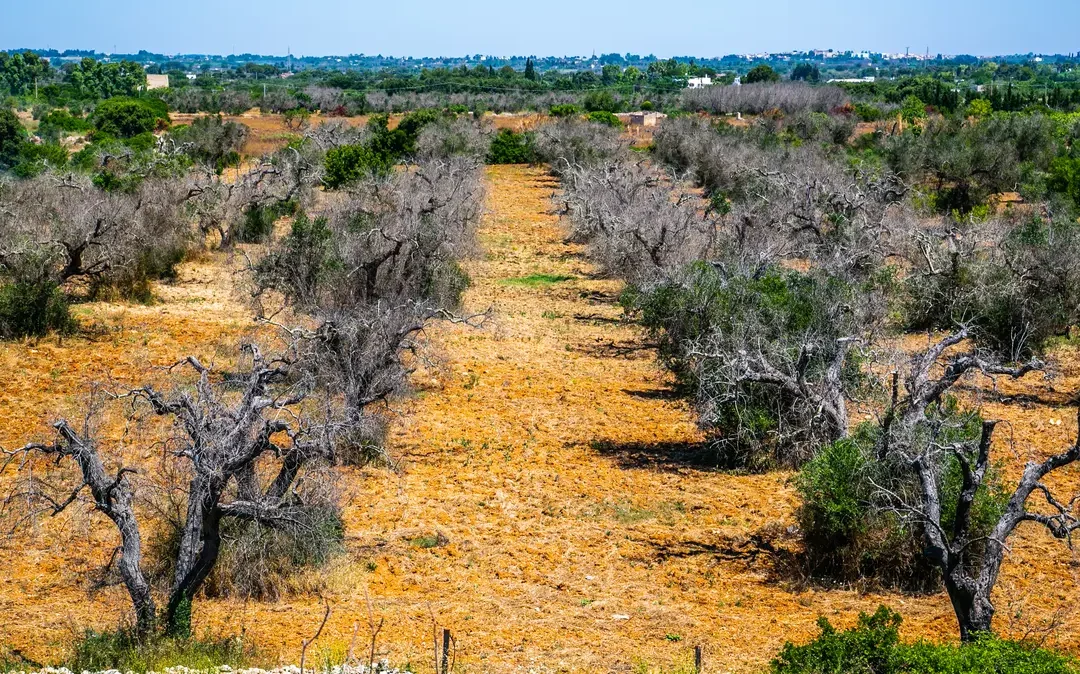
The influential Italian news website Il Post published a long article on the current situation of the Xylella fastidiosaoutbreaks in Apulia. While the epidemic continues to spread in the northern part of the Region, threatening bordering territories, in...