
In Europe, the plant nursery sector plays an essential economic and ecologic role in forestry and agriculture. Xylella fastidiosa outbreaks are a severe threat to that. We talked to Henk Raaijmakers and Josep M. Pagès, the president and secretary general of the European Nurserystock Association (ENA), respectively. ENA is in the BeXyl consortium.
Why is ENA taking part in the BeXyl Project and what is its contribution?
Plant health is the main asset for all professional nurseries. If it is not proven that nurseries grow and trade healthy plants, they cannot sell any plant because the EU plant health legislation is very strict. Xylella fastidiosa and a few priority pests are a real threat to plant health and, therefore, to the nursery industry. For this reason, ENA needs to contribute to developing knowledge in containing, managing and dealing with X. fastidiosa. Research on preventing and curing quarantine pests and developing the necessary tools, like new plant protection products, is of utmost importance. ENA primary contribution to the project is to share knowledge and experience between scientists and growers, to inform the researchers of the nurseries’ needs, and to spread the information from the BeXyl project and its results to nurseries in 22 European countries.
How X. fastidiosa can influence the production and trade of ornamental plants, crops, or forestry plants?
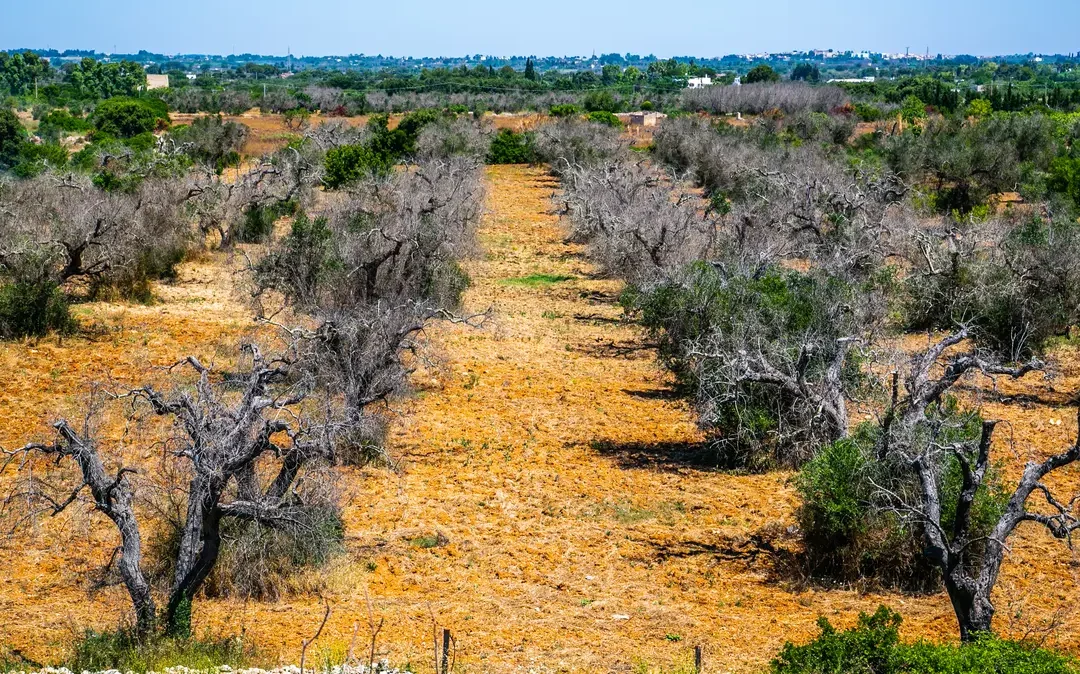
Xylella fastidiosa has been having a significant impact on the production and trade of plants in recent years. Around 700 species can be X. fastidiosa host plants, a vast range of plants, so almost all European nurseries can be affected. All nurseries are thoroughly checked by the phytosanitary authorities. But even if a nursery does it perfectly, it is not enough. All nurseries must get it right to prevent the introduction or spread of X. fastidiosa, as an outbreak in an area is a major commercial disaster for all. The EU legislation’s rigorous measures oblige to eradicate the outbreaks. So, if a nursery is near it, they may have to destroy the production, and even if they don’t have to destroy plants because of the distance, they will not be able to sell them because customers will be afraid of buying there. All robust plant health measures have a substantial financial impact on the nurseries. Add to this the fact that plants produced correctly may be found positive for X. fastidiosa in another country a few months later, making everyone extra cautious. A recall of sold plants because of X. fastidiosa would have a tremendous impact on the reputation and finances of a nursery.
Have you assessed the impact in Europe?
All European nurseries have seen the impact, and we are closely following the new outbreaks and the developments in the demarcated areas. Although we don’t have it quantified, we are aware of its immense impact on several nurseries that have fallen victim to the situation. Furthermore, all European nurseries have changed their procedures, increased their prevention measures when bringing plants into their fields. Some have changed the range of plants they produce, and, if feasible for specific types of plants, nurseries located in or near demarcated zones are building biosecurity facilities. Unfortunately, it is not always possible to grow plants under insect-proof mesh.
What are the possible solutions for maintaining the plant trade in the EU and beyond, despite the presence of X. fastidiosa in Europe?
Let’s hope that the scientists in BeXyl will work a miracle and find a cure for X. fastidiosa. Meanwhile, we must manage the risk, which mainly depends on the plant species and the geographic situation. Internal prevention measures in the nurseries, external supervision of the plant health authorities, periodic sampling, and a quick analysis of the host plants should be enough. Immediate action to take the right measures is also essential in case of new outbreaks, including offering compensation to nurseries. Finally, it is also necessary to acknowledge that increasing legal limitations on using plant protection products could hinder effective vector insects’ management, so we firmly believe that nurseries should have a special status in the legislation to use plant protection products. Healthier plants in nurseries will lead to healthier plants everywhere in Europe and beyond.