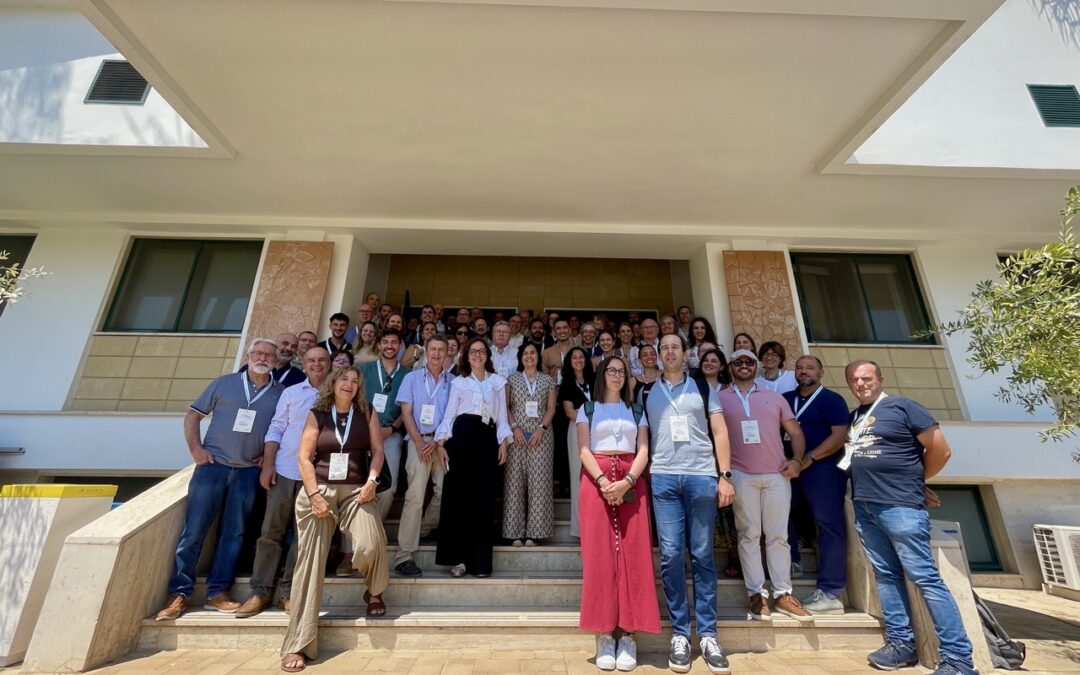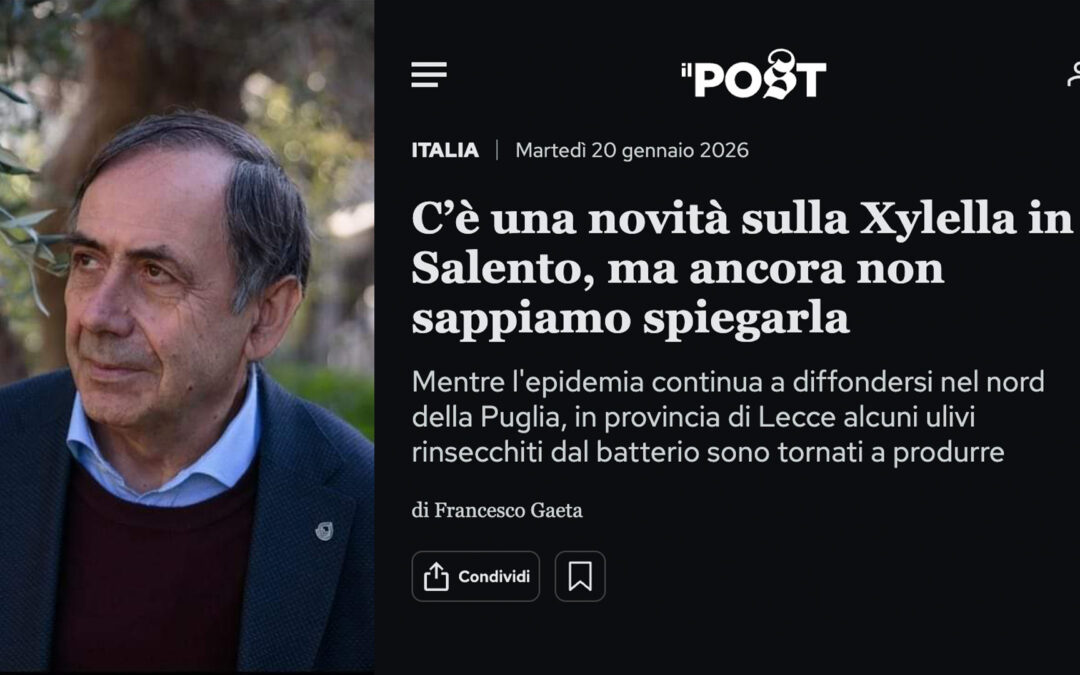

The Italian President of the Republic awarded Donato Boscia and Maria Saponari the titles of Officer and Knight of the Order of Merit of the Italian Republic, respectively. The honour is intended for those who have distinguished themselves to the nation in the fields of science, literature, the arts, economics and public service.
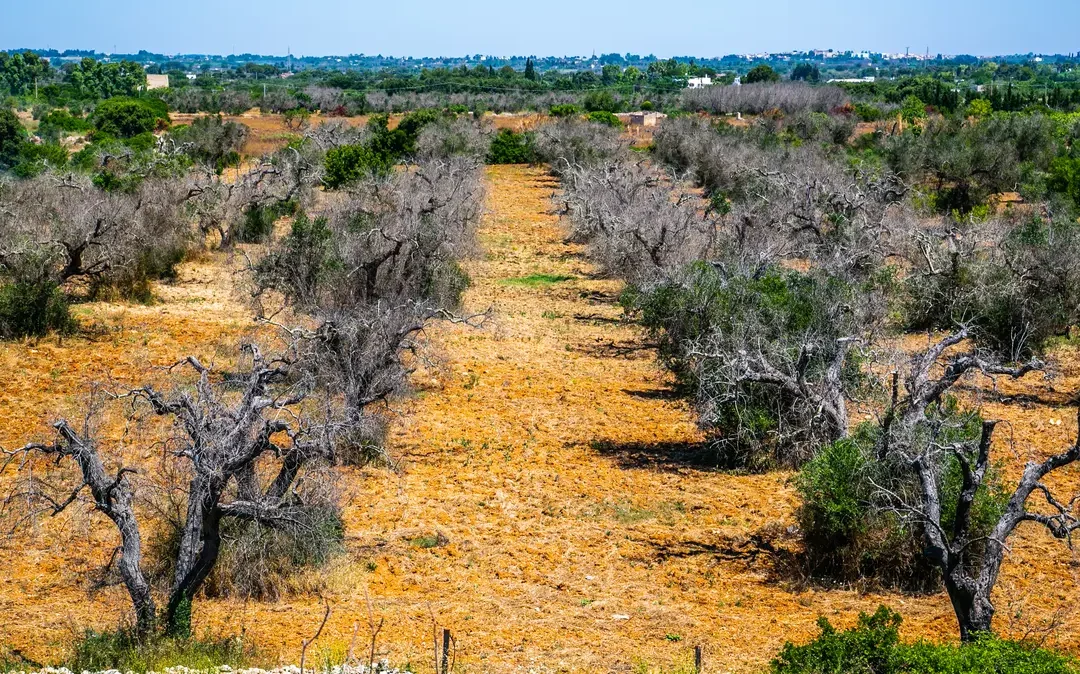
Boscia and Saponari have been the main players in the first detection and response actions in the EU to curb the spread of Xylella fastidiosa. In 2013, the two scientists of the Institute for Sustainable Plant Protection of the National Research Council in Bari (Cnr-Ipsp), collaborating with the late Professor Giovanni Martelli of the University of Bari Aldo Moro, identified the bacterium for the first time in the countryside of Gallipoli, in Apulia, Italy. In a very short time, they recognised the seriousness of the situation and launched research programmes to identify solutions and measures to contain the epidemic. Despite the scientific evidence they produced with their decisive contribution, Boscia and Saponari found themselves at the centre of an unprecedented public debate, influenced by prejudice and misinformation, over a plant disease. Regardless of the criticism and difficulties, “the two researchers never wavered and passionately defended the scientific method, and their work represented a beacon of hope and rationality at a time of great confusion and uncertainty,” a CNR press release said.
“We were excitedby the full participation in a research activity which, for us phytopathologists, represented a great challenge. We were also awarethat this kind of involvement might have caused considerable problems, even personal ones, as it unfortunately occurred,” Boscia told in an interview to the BeXyl website.
Boscia and Saponari were also among the pioneers of the EU funded research projects on Xylella fastidiosa. The results of those projects shed light “on thespecific epidemiological characteristics of the European outbreaks (…) helping to shape a management strategy tailored to the specific attributes of the EU outbreaks,” Saponari said in the same interview. Thanks to those projects, which builtthe basic knowledge, researchers could focus on practical solutions to counteract the impact of the bacterial infections,” which is the distinctive feature of the ongoing BeXyl Project.
Please find the full interview here: https://bexylproject.org/updates/interviews/xylella-in-the-eu-ten-years-after/