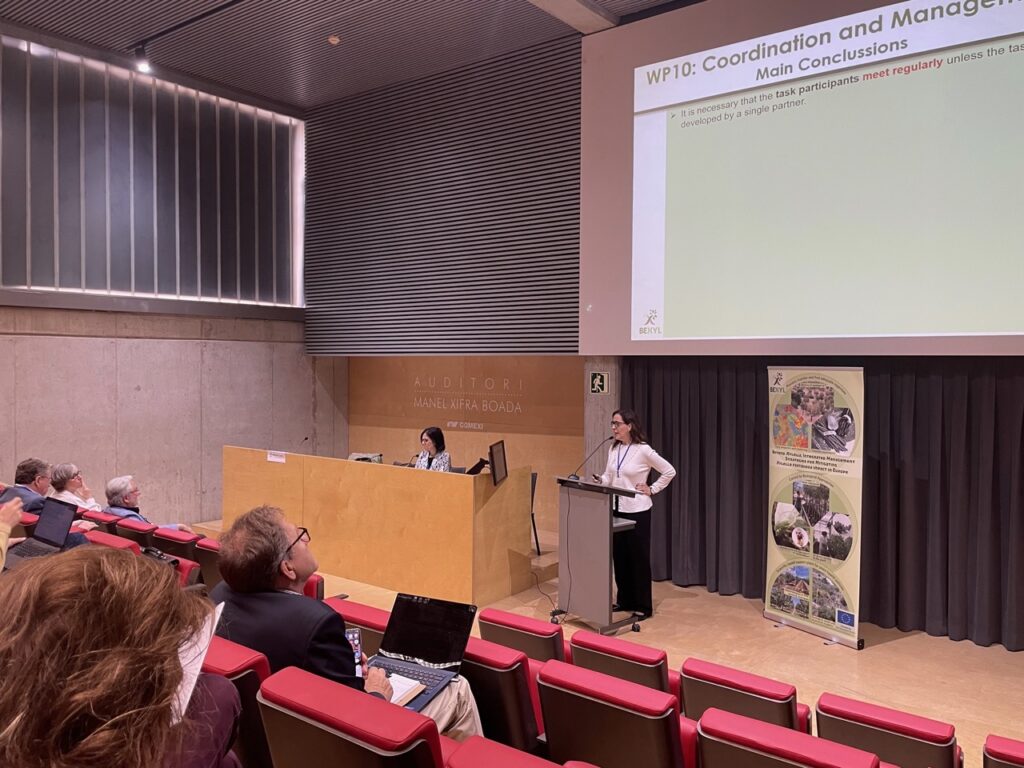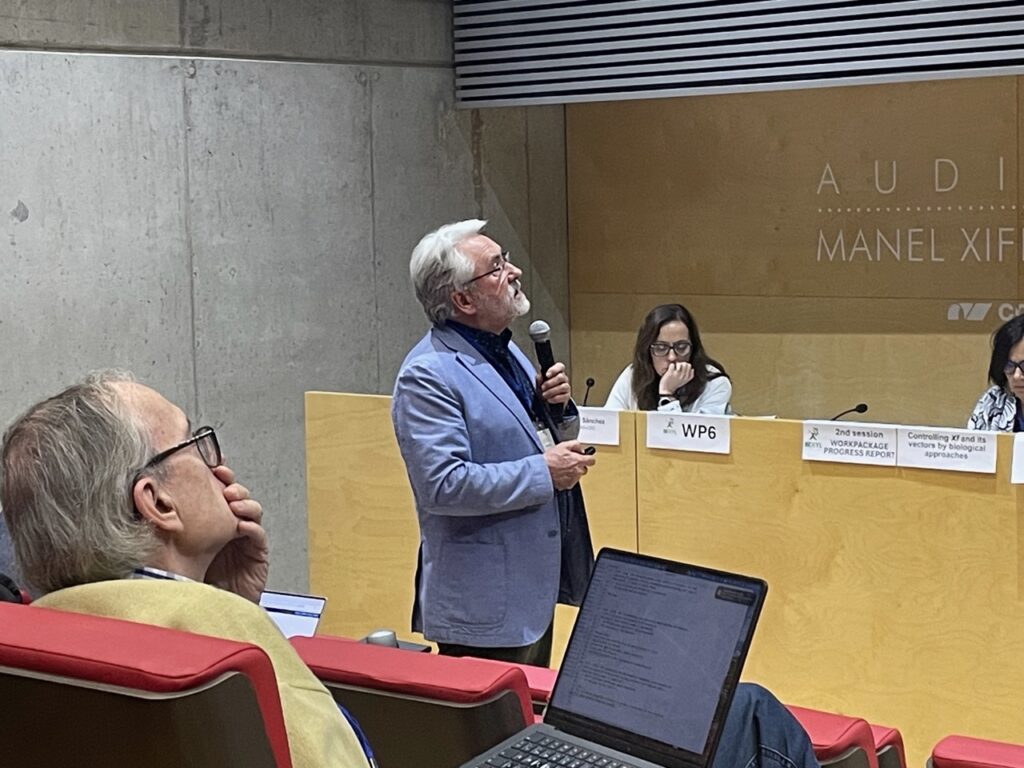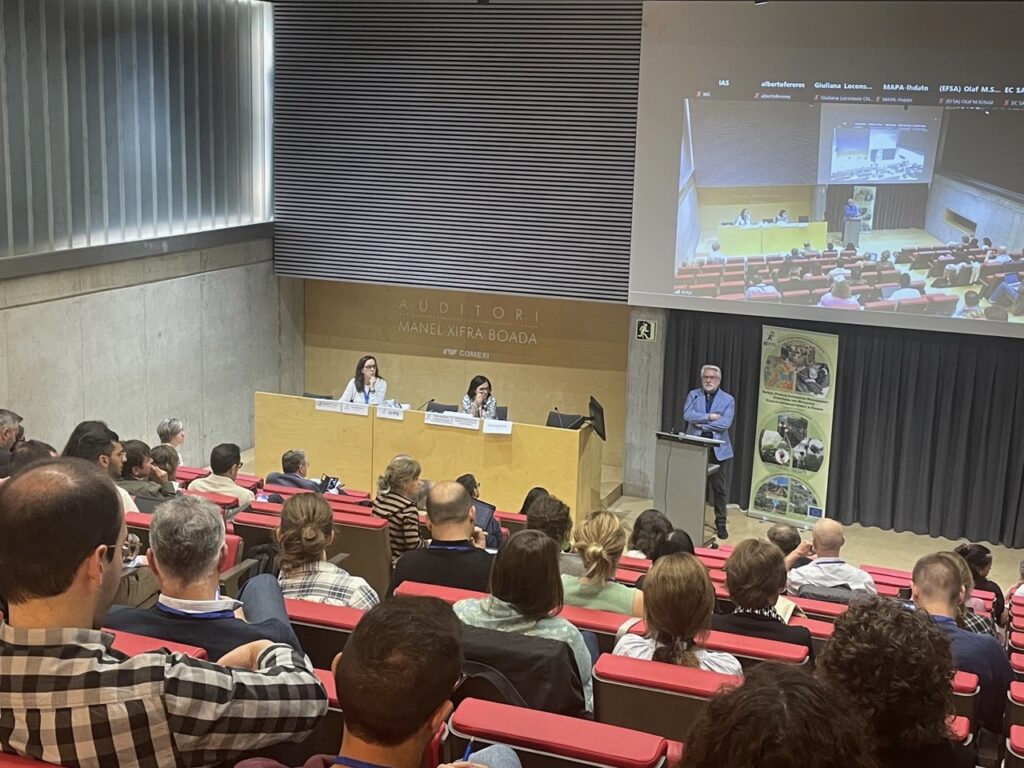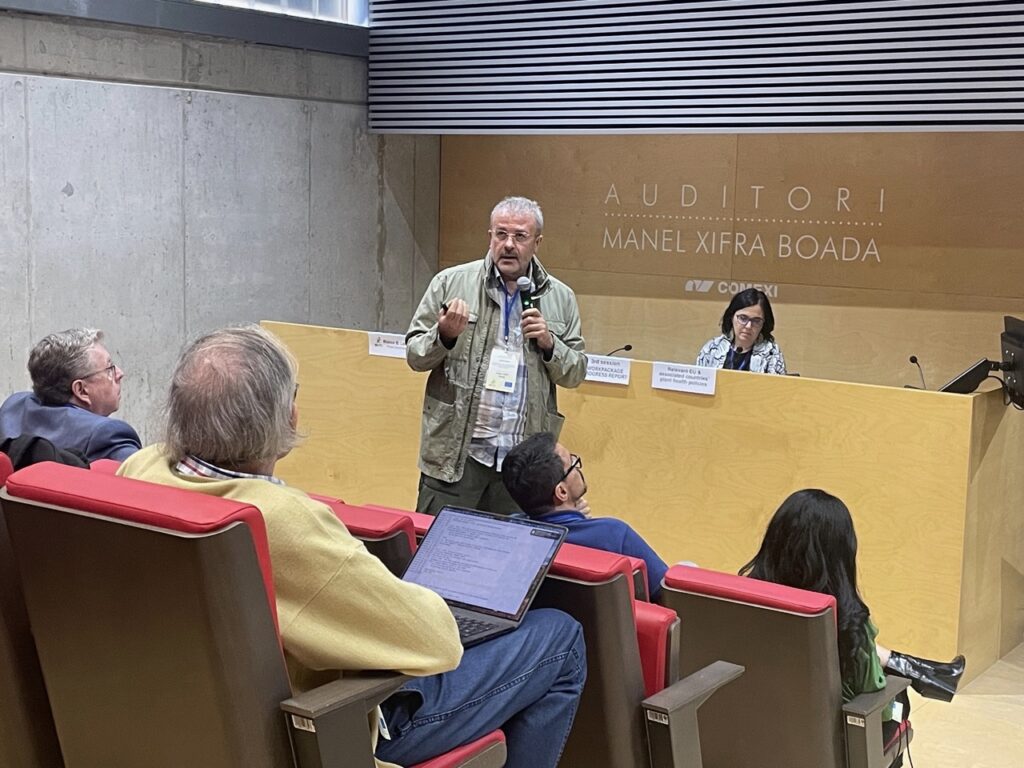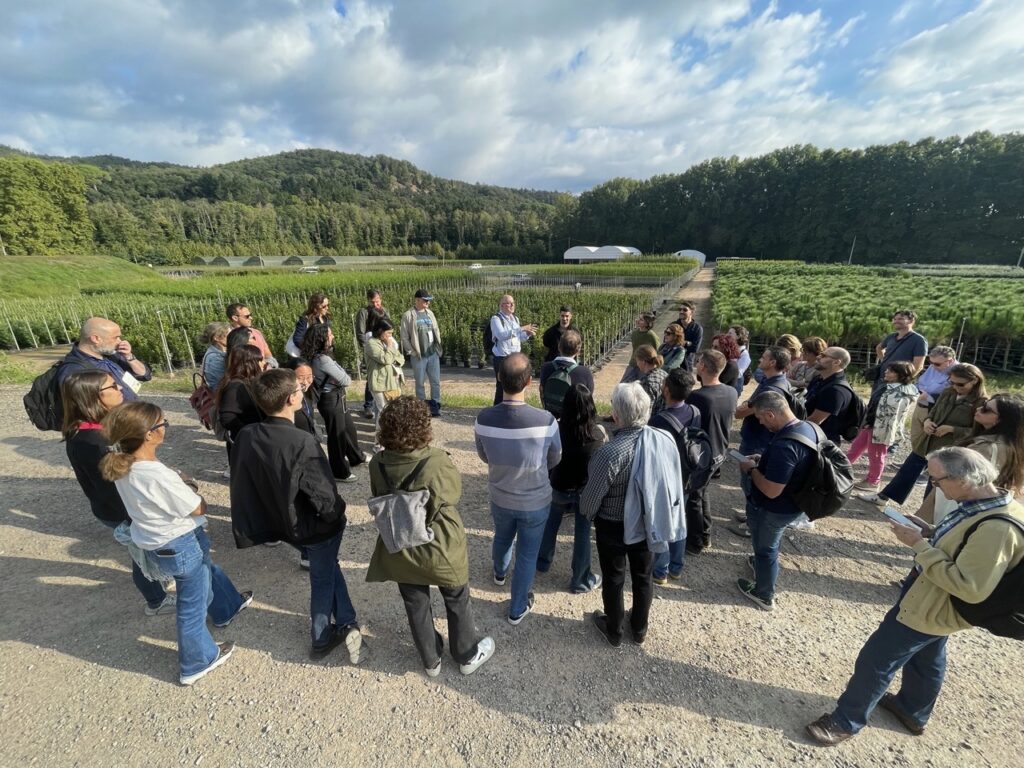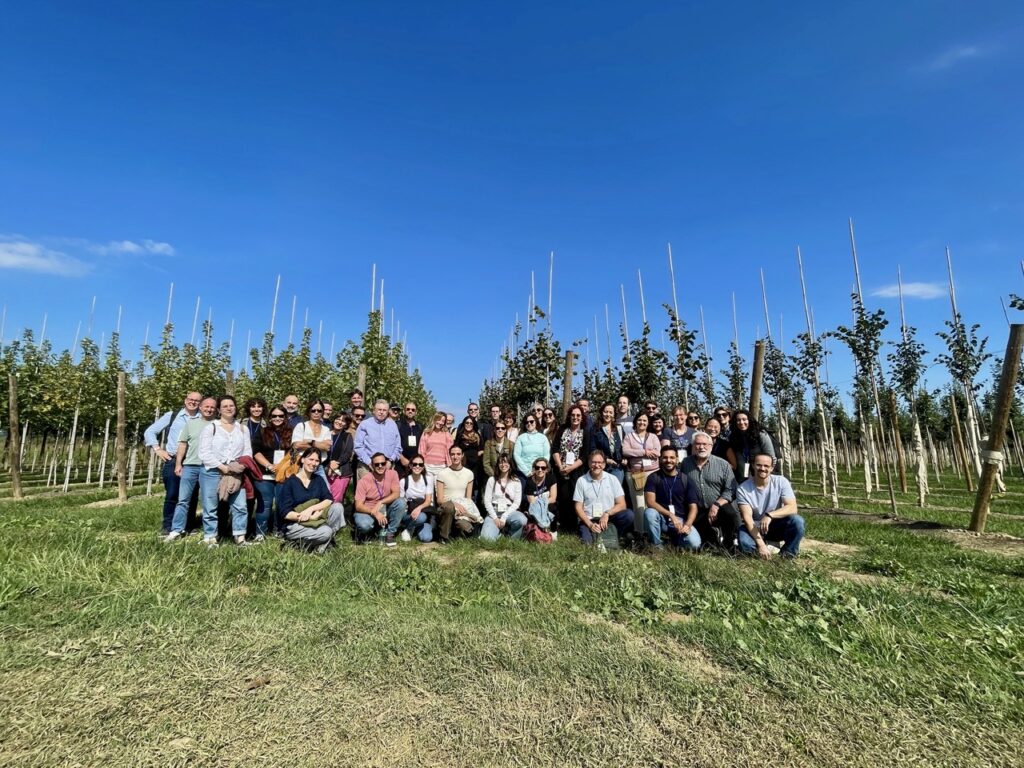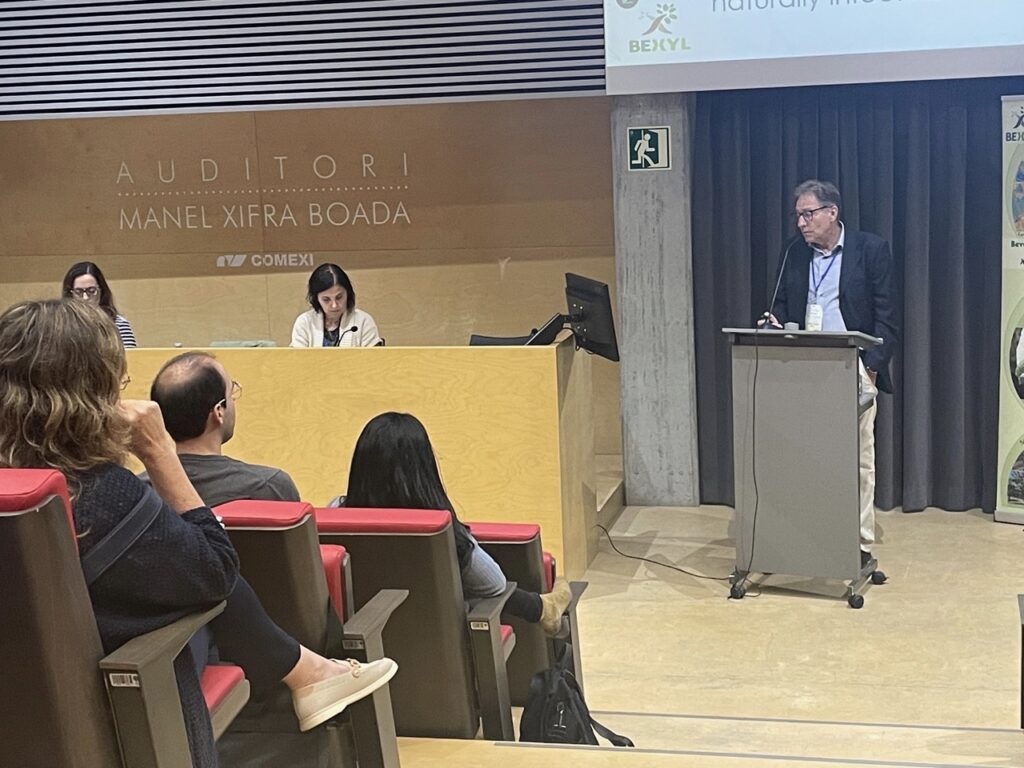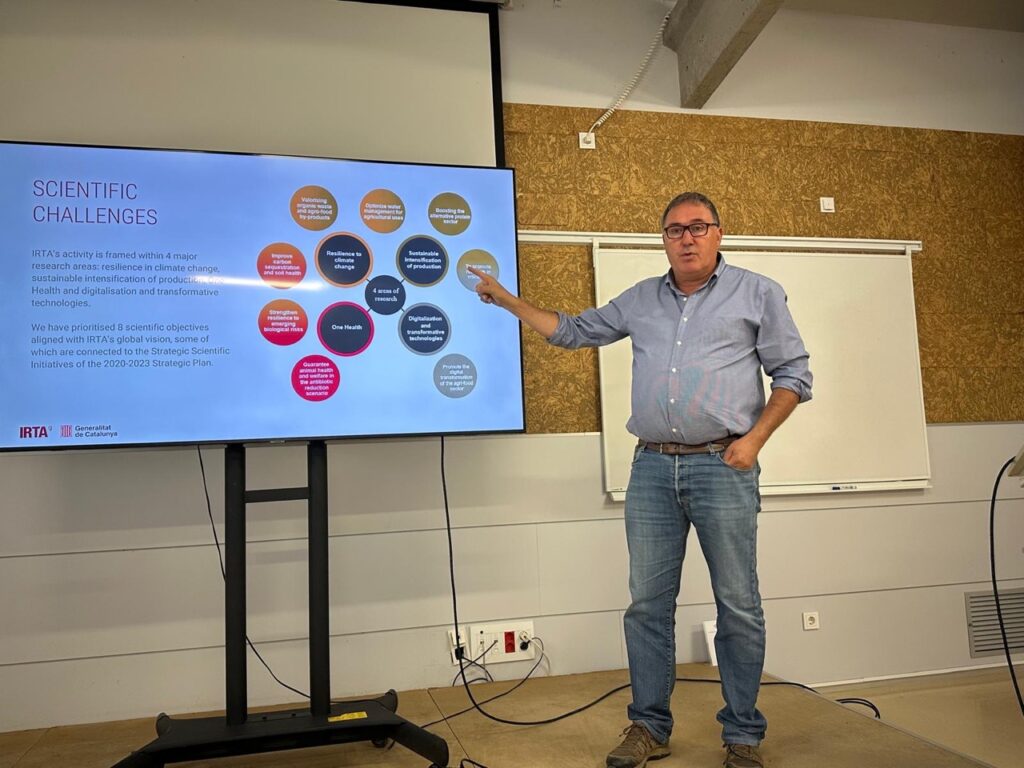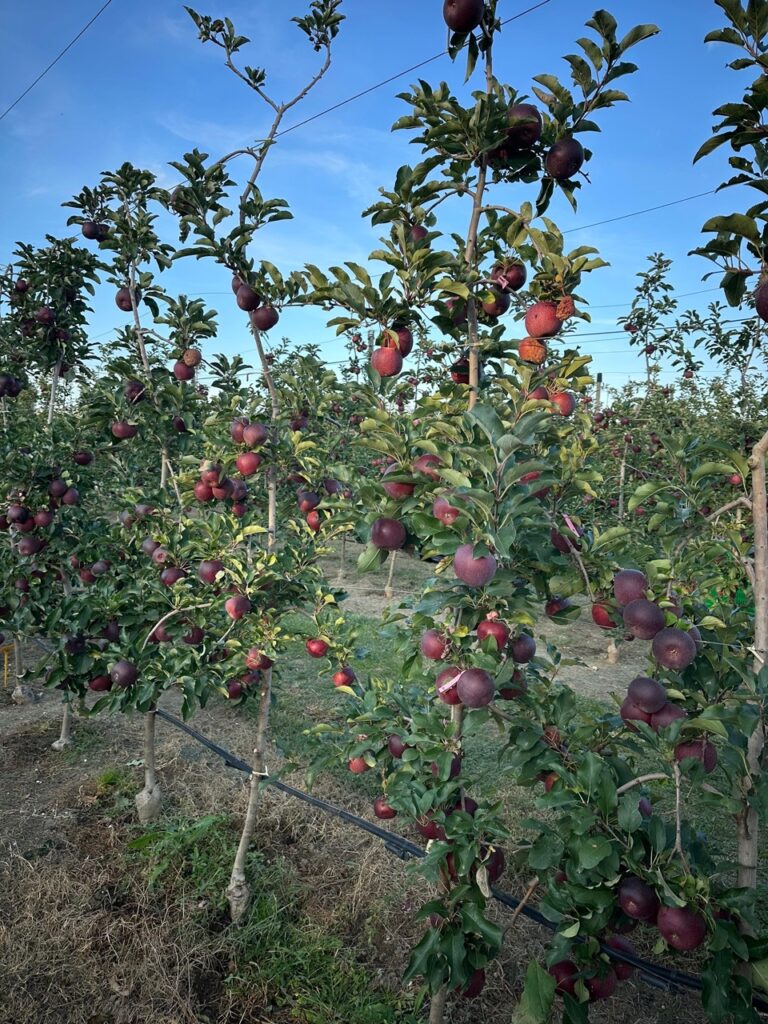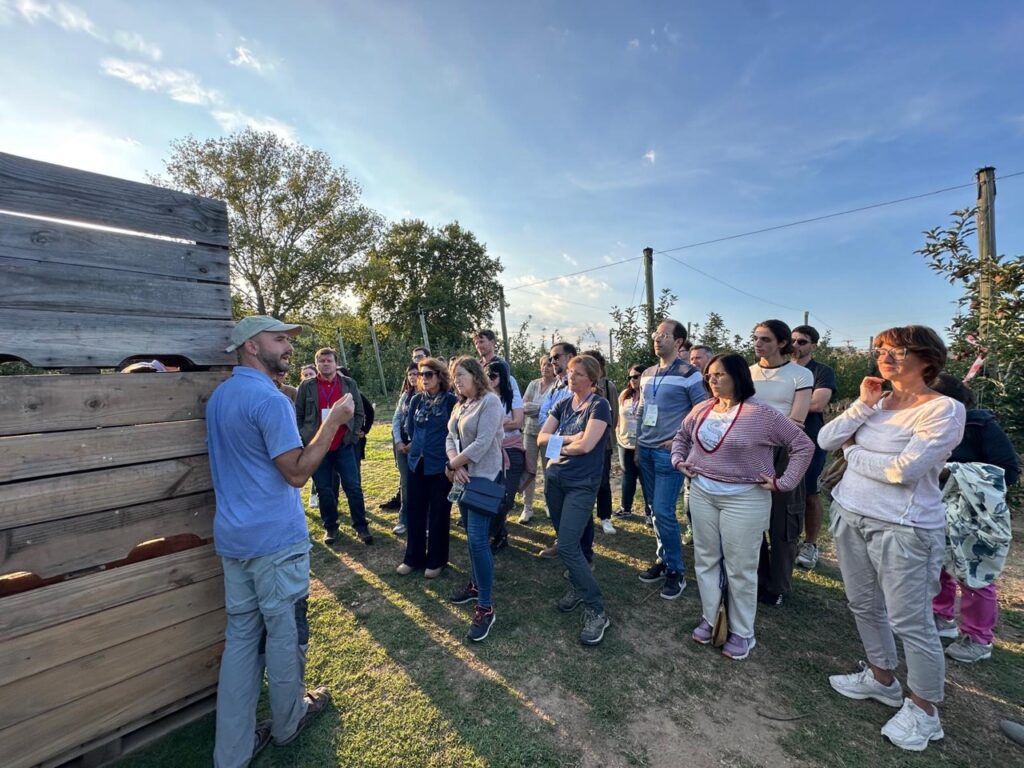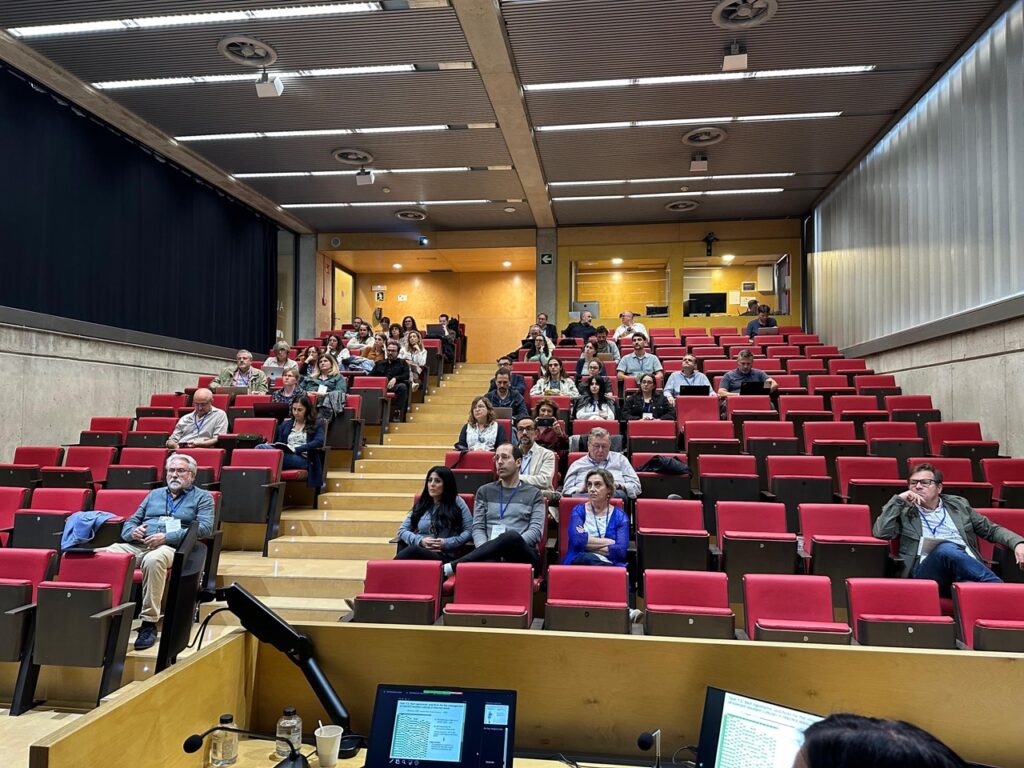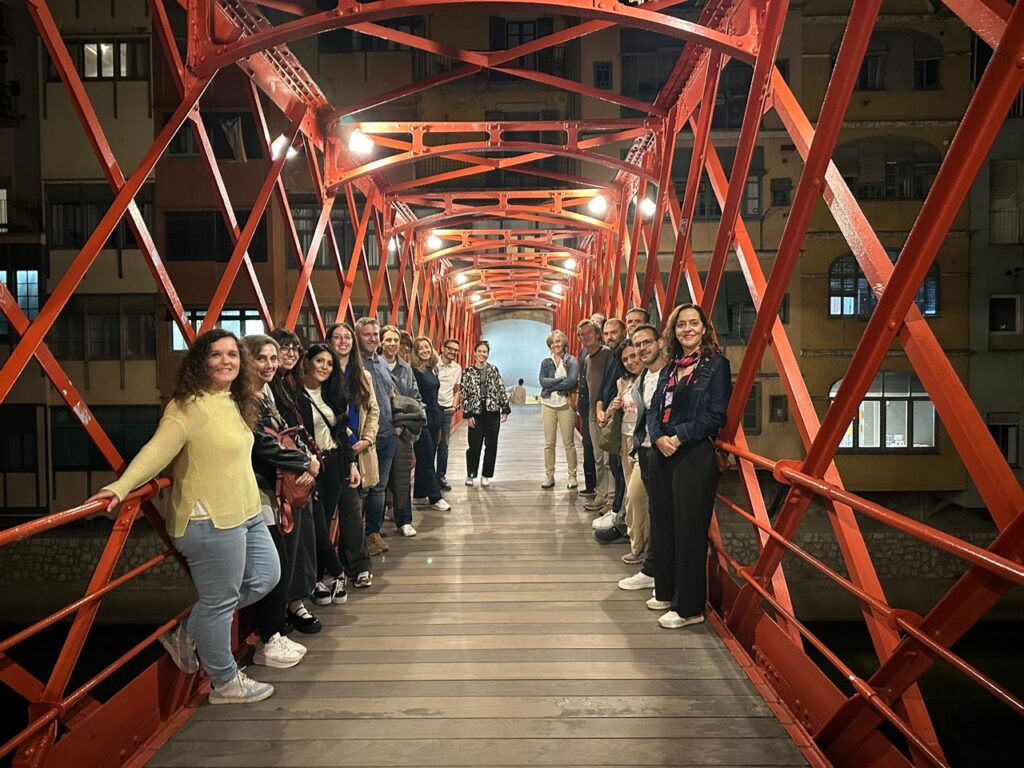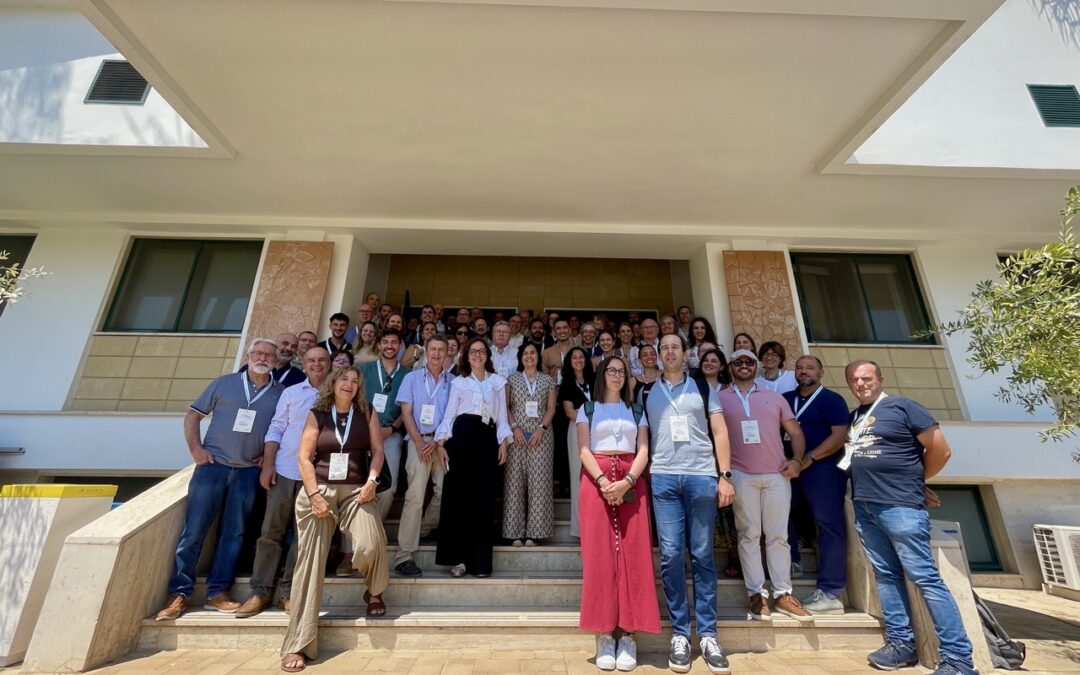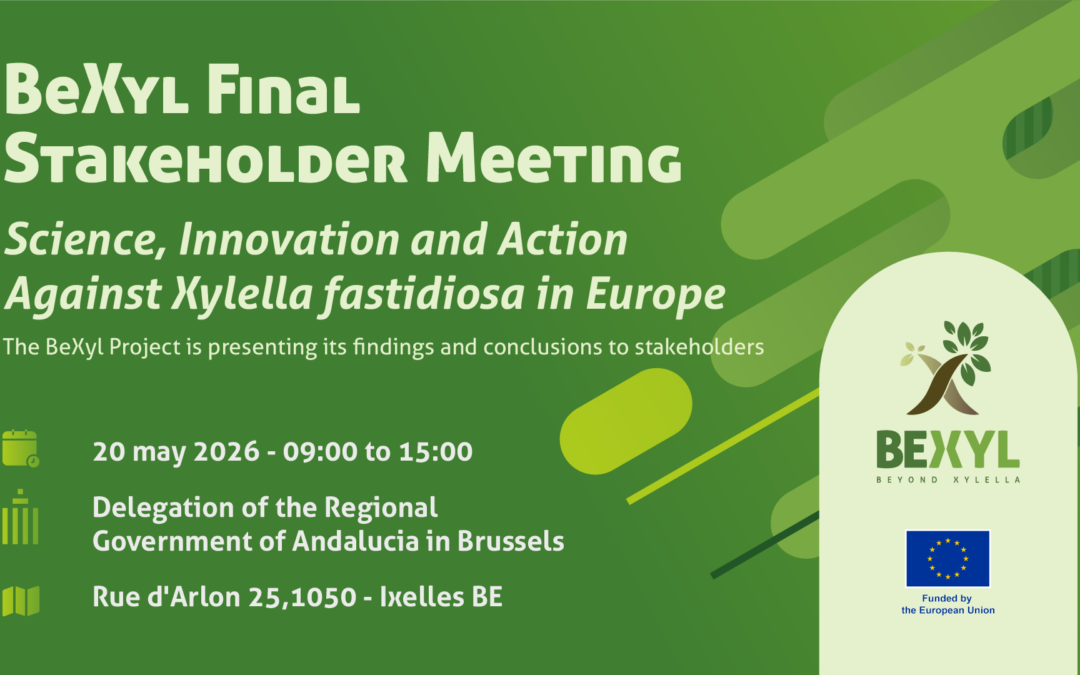
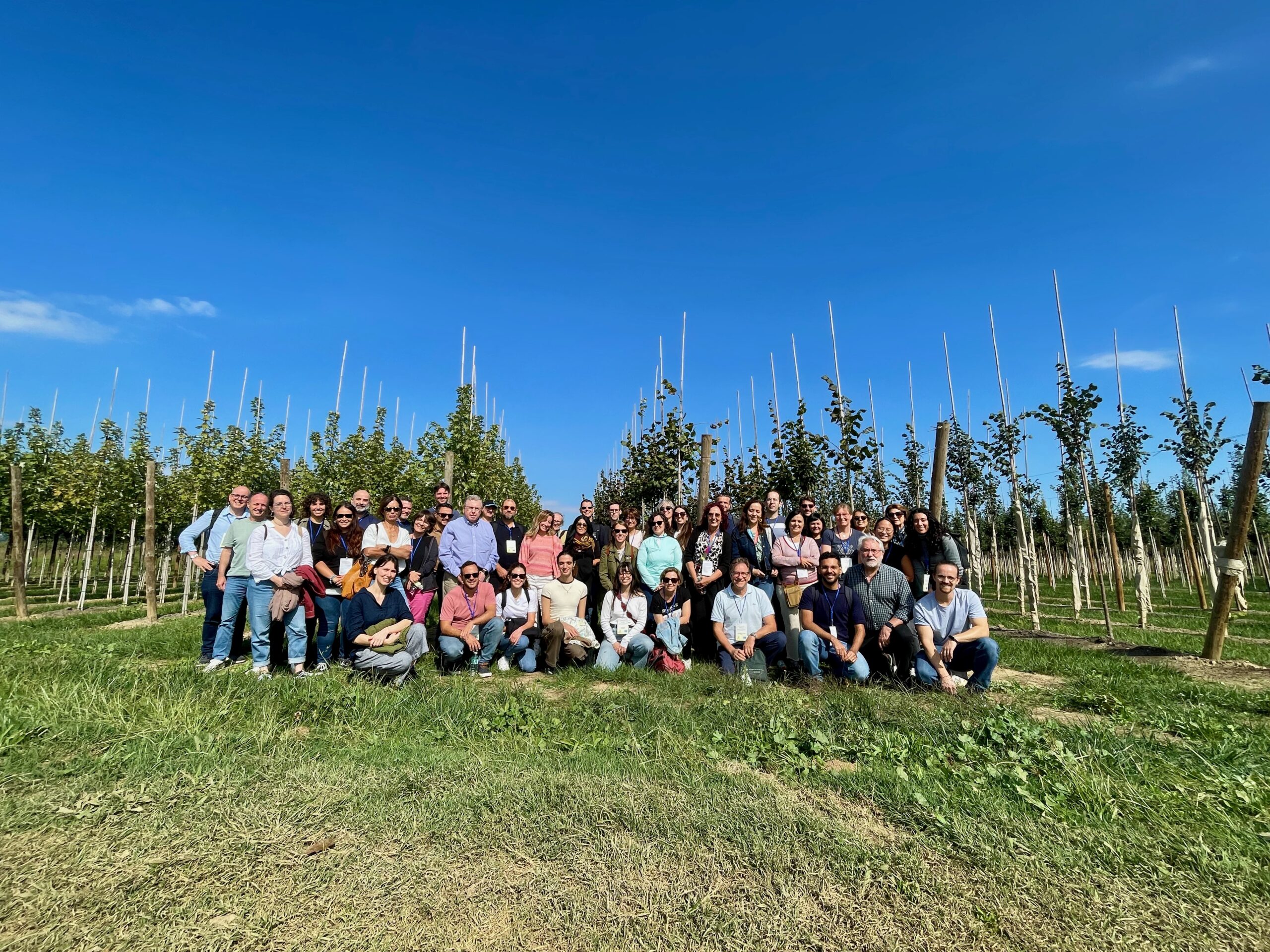
The 3rd General Assembly of BeXyl in Girona, Spain, provided an opportunity to review progress of project and prepare for the final year of the project in 2026.
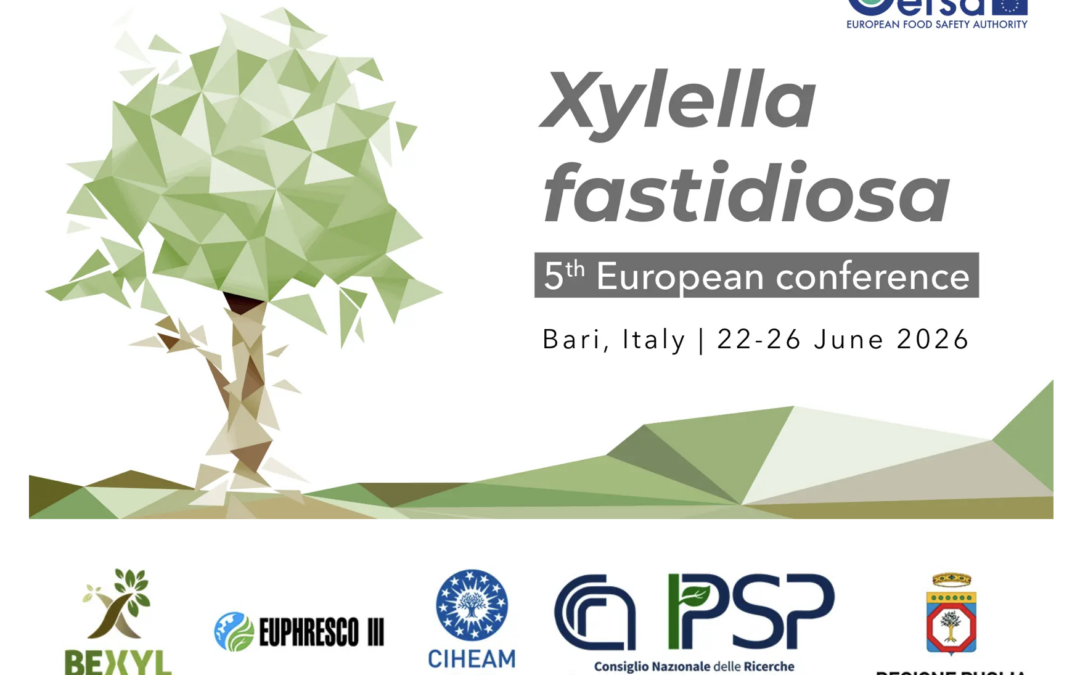
Since the kick-off meeting in Córdoba in October 2022, the BeXyl community has met in Madrid, Angers and Girona for general assemblies. BeXyl also contributed to the 4th EFSA conference on Xylella fastidiosa in Lyon and organised a workshop in Madrid in 2023. Managing board meetings and review meetings also took place in 2024 and 2025 and will continue in the next months. The final general assembly will be in Bari in coincidence with the 5th EFSA conference, in July 2026.
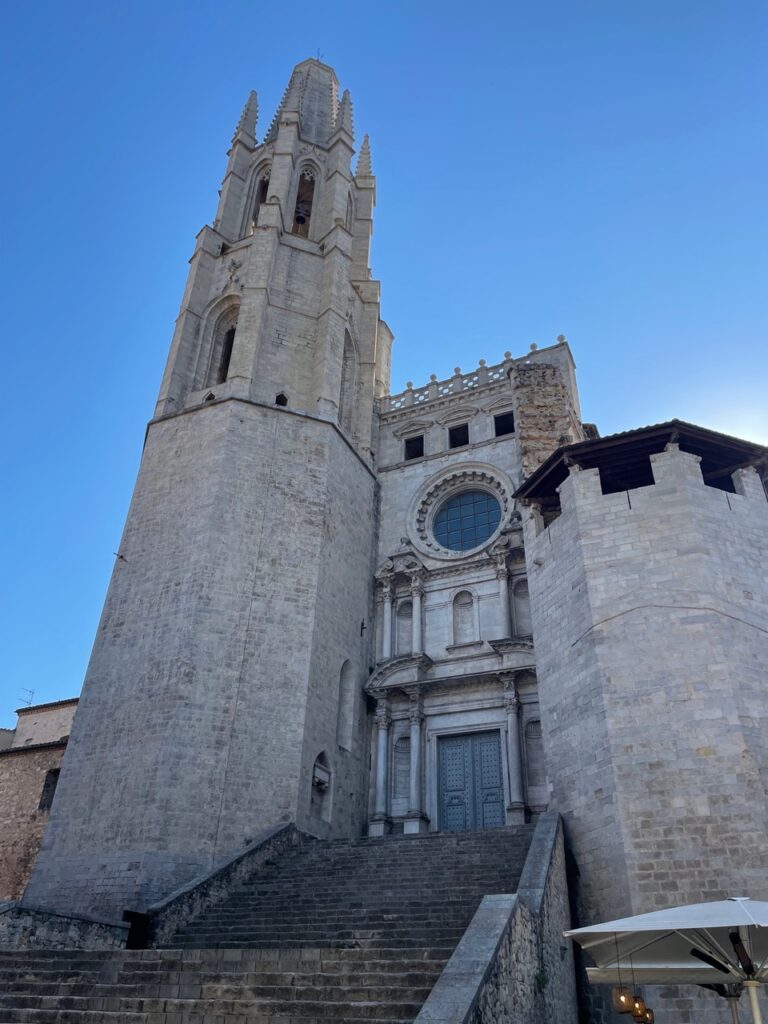
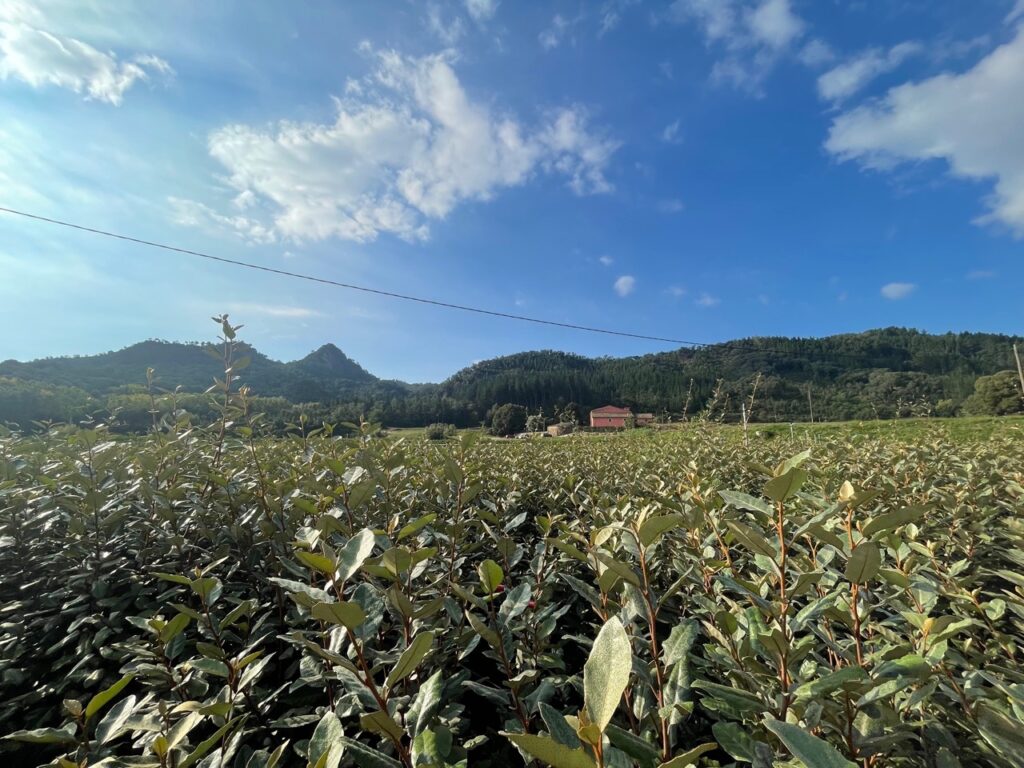
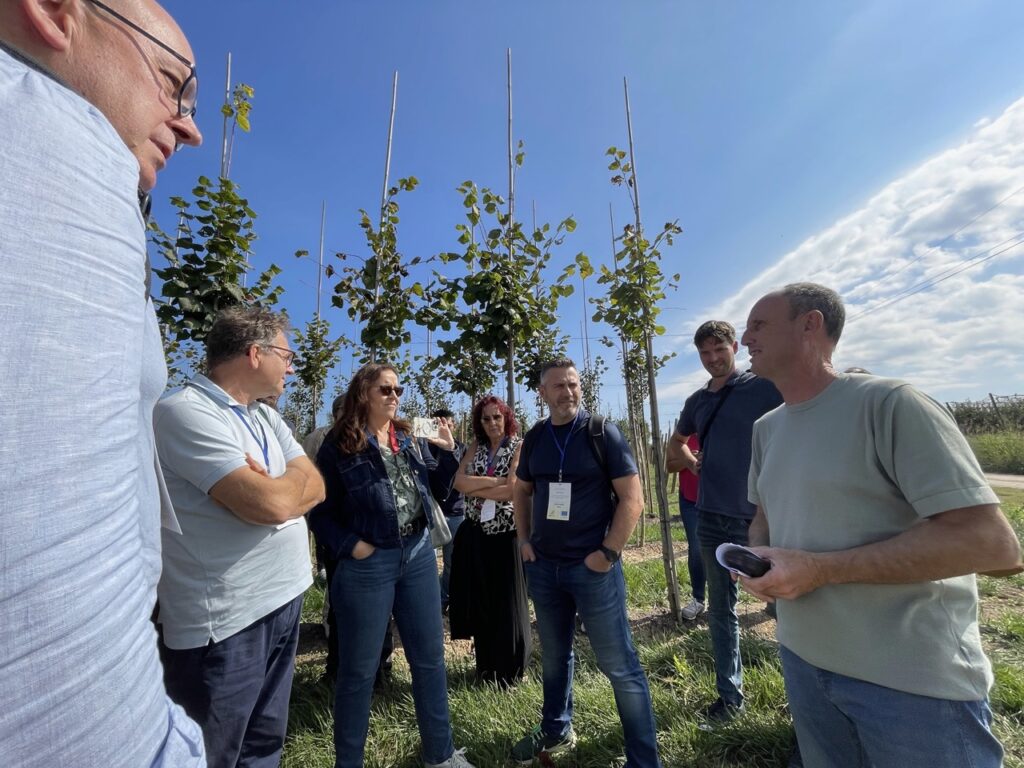
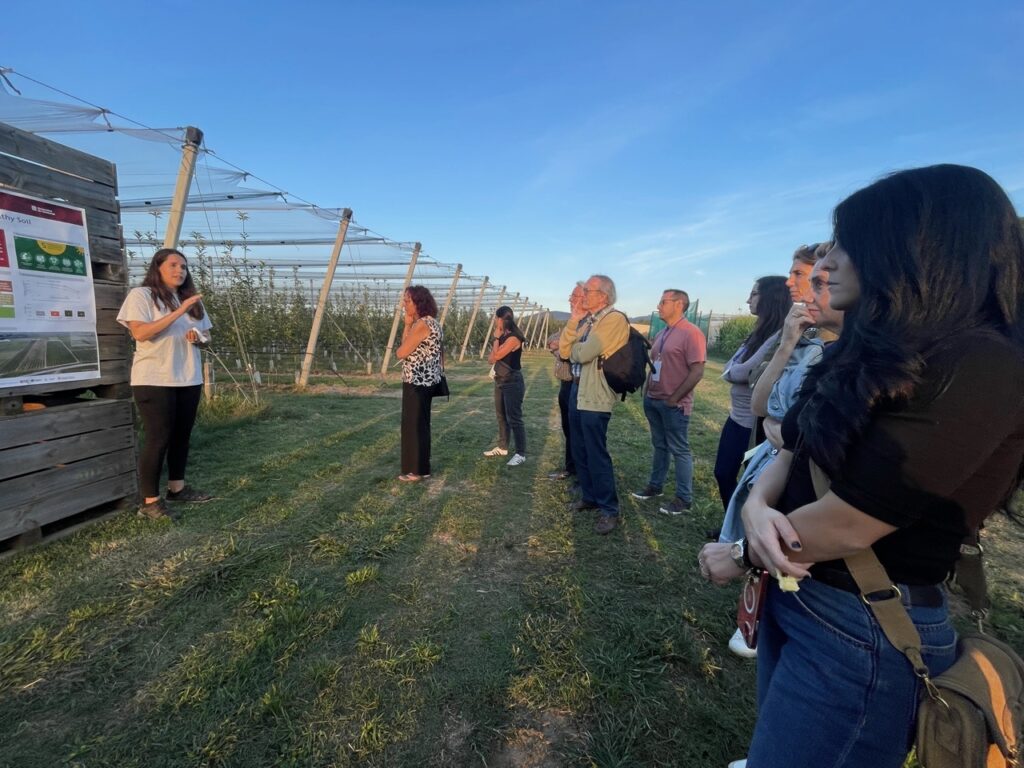
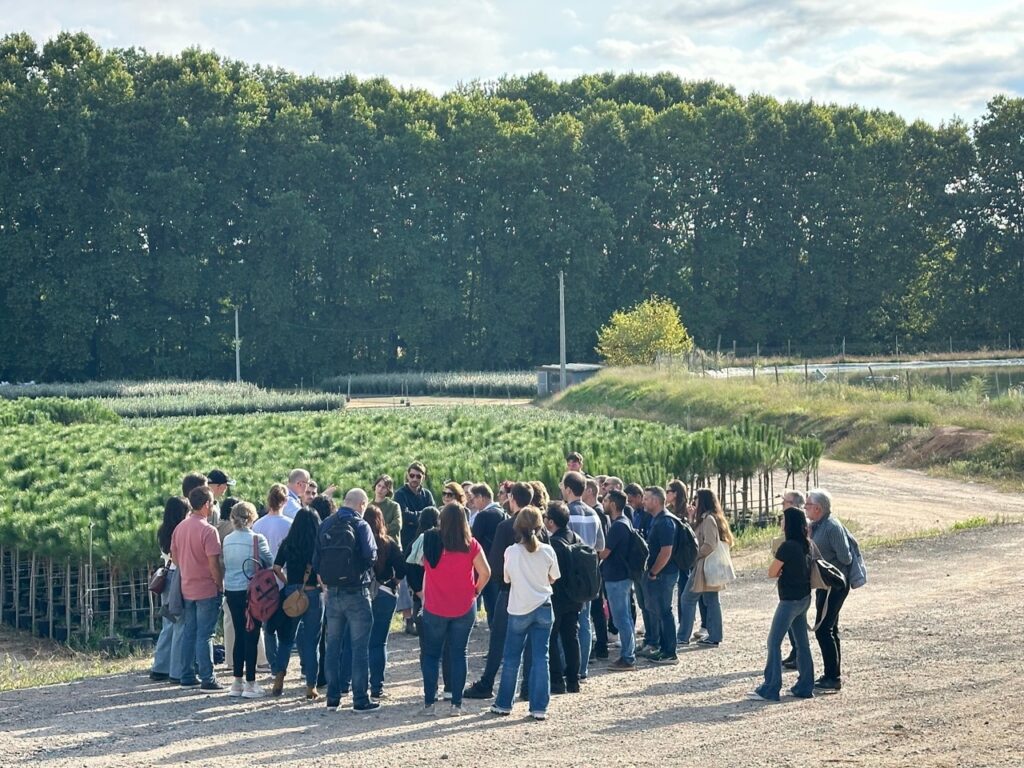
The assembly in Girona was the opportunity for the researchers and associated partners to visit plant nurseries in an area which is Xylella-free, but it is close to the outbreaks in Occitanie, France. The communication team filmed interviews with workers and owners of local plant nurseries.
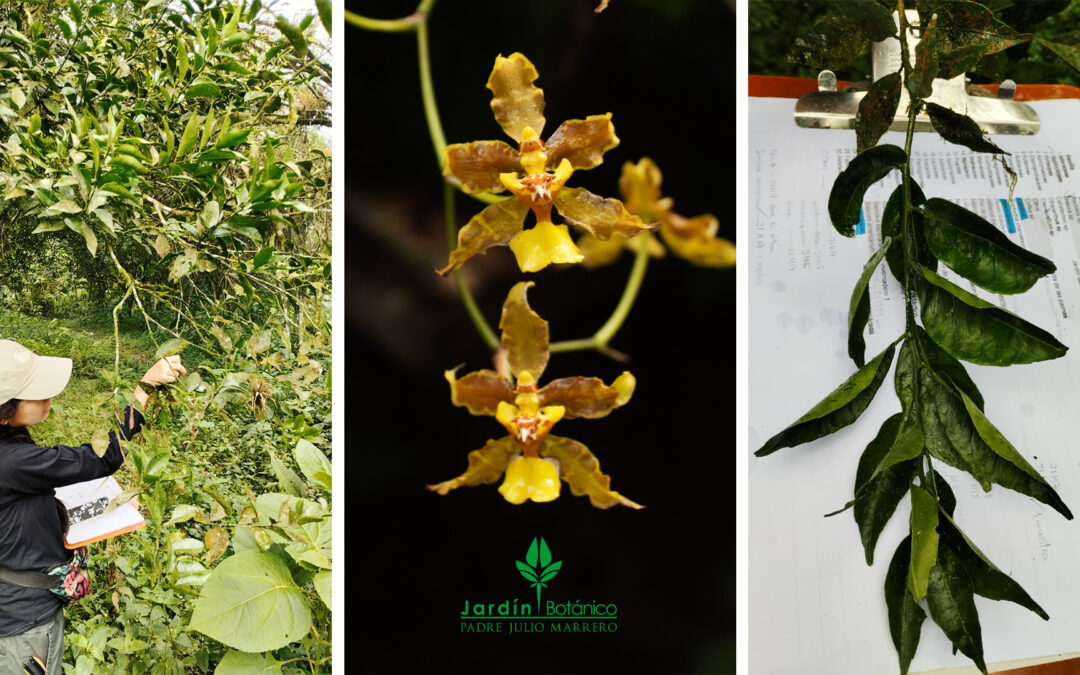
According to the presentations delivered at the assembly, the activity on molecular approaches for the in situ detection, quantification and typing (work package 2) has been completed, as have all the activities included in the work package 6, and most of those in work package 8. BeXyl have has produced five practice abstracts so far, in short and extended versions, outlining the main results of the project’s tasks, and the coming months will see an acceleration in their production. Over the past three years, the project has established sentinel plots in Europe, as well as in North, Central and South America to collect comparative data on Xylella fastidiosa host range, environmental adaptation, and potential pathways of introduction.
The Xylella seminars series, with over 20 online workshops organised since 2022, is an example of dissemination that is strengthening BeXyl as a reference on Xylella fastidiosa studies, and the momentum must be maintained in the coming year. The same is for other activities, with the assembly that was the occasion to reiterate the importance of coordination among the partners and the work package leaders.
With over 30 participating organisations from 14 countries, the BeXyl project has an exceptionally strong network, which, however, still needs to be exploited to its full potential. All partners are aware that additional effort is required to enhance coordination to run the project’s last mile together.