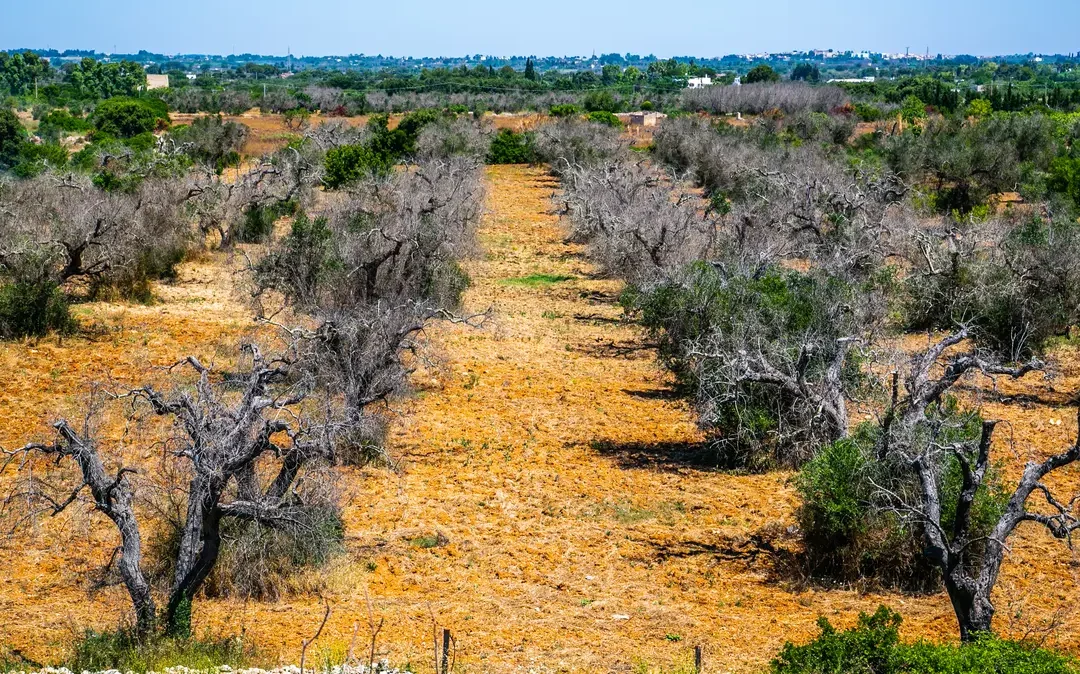

Fungi are gaining acceptance in Integrated Pest Management (IPM) strategies, which take advantage of non-chemical products and practices to control pests sustainably. Entomopathogenic fungi, in particular, can kill or cause disease in insects. An insect, the spittlebug Philaenus spumarius, is the primary agent of the X. fastidiosa spread in Europe. Thus, developing new biological tools based on entomopathogenic fungi to manage X. fastidiosa vector populations is one of the BeXyl project goals. In the following interview, Enrique Quesada, full professor at the University of Cordoba (UCO), Spain, explains how the BeXyl Project will contribute to the exploration of this research area to propose new tools to fight Xylella fastidiosa.
What are entomopathogenic fungi?
Entomopathogenic fungi are a vital part of the microbiota in most terrestrial ecosystems, where they can be found regulating natural populations of arthropod pests in both epigeous (i.e., above the soil surface) and hypogeous (below the soil surface) habitats while also establishing unique relationships with plants. Among entomopathogenic microorganisms, entomopathogenic fungi stand out for their mechanism of infection through the arthropod integument (i.e., the insect’s ‘skin’) and for their natural presence in insects, soils, and plants, which is the basis of the ecosystem services that they provide to different agroforestry systems.
What are the potential uses of fungi in pest management? Are there applications on the market already?
Microbial pest control using entomopathogenic fungi (EF) is at the forefront of the global development of alternative control strategies for chewing and sup-sucking insect pests. These fungi have several advantages when compared with conventional insecticides. These include low costs, high efficiency, safety for beneficial organisms, reduction of residues in the environment, and increased biodiversity in human-managed ecosystems. Moreover, EF have a unique mode of action among entomopathogenic microorganisms. Unlike bacteria and viruses, they do not need to be ingested; they have contact action and invade their hosts directly through the cuticle. Approximately 700 EF species can cause infection in insects and mites, most belonging to the Entomophthorales (Entomophthoromycota) and the Hypocreales (Ascomycota). In contrast, the fungal strains developed as commercial mycoinsecticides are only about 15.
You mentioned that these microorganisms can increase biodiversity in human-managed ecosystems. What do you mean?
Entomopathogenic ascomycetes can interact with different crops as endophytes, establishing mutualistic interactions that benefits the host plant not only by protecting it against insect pests but also against plant diseases, enhancing plant growth and inducing immunity and resistance to biotic and abiotic stresses, with even first evidence on both the effect of entomopathogenic fungi on plant chemical ecology and signaling of immune response-related hormones. A key challenge for entomopathogenic fungi is to be increasingly adopted by farmers as valuable multipurpose plant-beneficial microorganisms for sustainable agriculture.
How can the EF help to contrast Xylella fastidiosa? And which kind of research will BeXyl develop in the field?
We are interested in unraveling whether the natural populations of X. fastidiosa vectors, with a focus on Philaenus spumarius, are naturally infected by entomopathogenic fungi, and whether we can use these entomopathogenic fungal isolates or those obtained from the olive crop agroecosystem (soil, olive crop, and olive natural and artificial cover crops) for the management of the insect vector populations. Moreover, we are interested on unraveling whether the above selected strains are able to colonize the plant tissues as endophytes or rhizosphere competent microorganisms in the olive crop and in the cover crops and whether they can interfere with bacterium transmission.
What are the main challenges in that task?
The critical challenge is to get a selected group of entomopathogenic fungal strains effective to control X. fastidiosa insect vectors and interfere with the transmission of the bacterium. After that, we aim to deploy a strategy for practically integrating EF with other measures in an IPM strategy for X. fastidiosa management.
Insecticides, including nature-derived ones, can affect non-target insects. Do EF present the same risk?
In previous studies of our research group, we have shown that using entomopathogenic fungi is safe for the olive non-target arthropod fauna and promotes olive crop safety, security, and sustainable production.
Usually, it takes some time for a scientific discovery to be available to farmers and users. How long for EF?
We must take into consideration three aspects. The first is the time required for the scientific and technical development of the product, the second is the time for transferring it to a company interested in its production, and the third is the time required for registration. At present, it is necessary for authorities worldwide, but especially in Europe, to adapt the registration processes for new natural products to make them less costly and faster. To date, natural products undergo the same registration process as chemical products.